
Together for a Plastic-Free Coastline
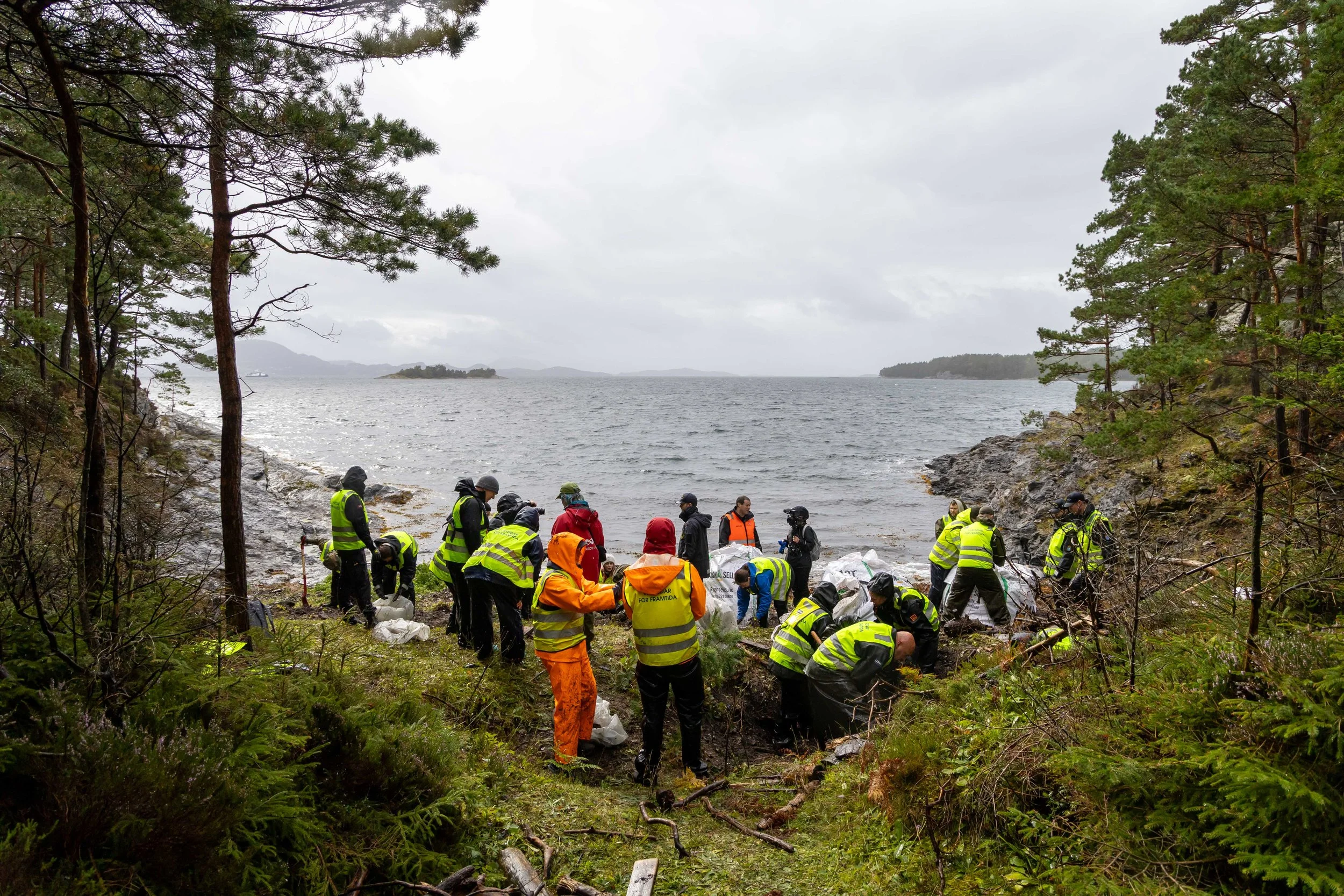
Who: Stiftelsen Framtidshavet
What: World’s Largest Coordinated Coastal Clean-up Initiative
Where: Bergen, Norway
Project period: 2026-2027
About the project:
Building the Foundation for the World's Largest Coordinated Coastal Clean-up Initiative
The feasibility phase will establish the strategic, operational, and community-based foundation for an ambitious long-term initiative aimed at restoring and protecting the fjords and coastline surrounding Bergen between 2027 and 2030.
The project seeks to create a scalable model for environmental action that combines marine conservation, community engagement, education, research, and cross-sector collaboration. By mobilising local communities, volunteers, businesses, researchers, and public institutions, the initiative will generate lasting environmental and social impact while strengthening awareness of ocean stewardship for future generations.
The feasibility phase will identify and prioritise coastal and fjord areas with the greatest environmental need through systematic mapping and assessment; establish strong partnerships and local ownership across municipalities, organisations, educational institutions, and industry; develop safe, efficient, and sustainable operational and logistical frameworks for large-scale clean-up actions; create a robust funding and governance structure that supports long-term impact and growth; build a replicable model that can be scaled and adapted to other coastal regions nationally and internationally; and generate valuable environmental data to support documentation, research, and future policy development.
Key deliverables include comprehensive mapping and assessment of priority coastal and fjord areas, a detailed operational plan for the first large-scale clean-up campaign in 2027, a stakeholder engagement and community mobilisation strategy, a communication and awareness programme launching in 2027, a long-term funding and financial sustainability plan, and the acquisition and outfitting of a dedicated survey vessel for mapping, documentation, and operational planning.
Mapping and Research – The Core Success Factor
By investing in thorough preparation and evidence-based planning, the project will maximise environmental outcomes, ensure efficient use of resources, and create a lasting legacy for coastal conservation in Western Norway.
About the organisation:
Framtidshavet is a Norwegian non-profit foundation dedicated to combating marine litter and creating cleaner, healthier fjords for future generations. Founded by environmental advocate Kenneth Bruvik, the organisation combines hands-on action with education, community engagement, and long-term environmental stewardship. Its vision is simple but ambitious: plastic-free fjords and a plastic-free ocean.
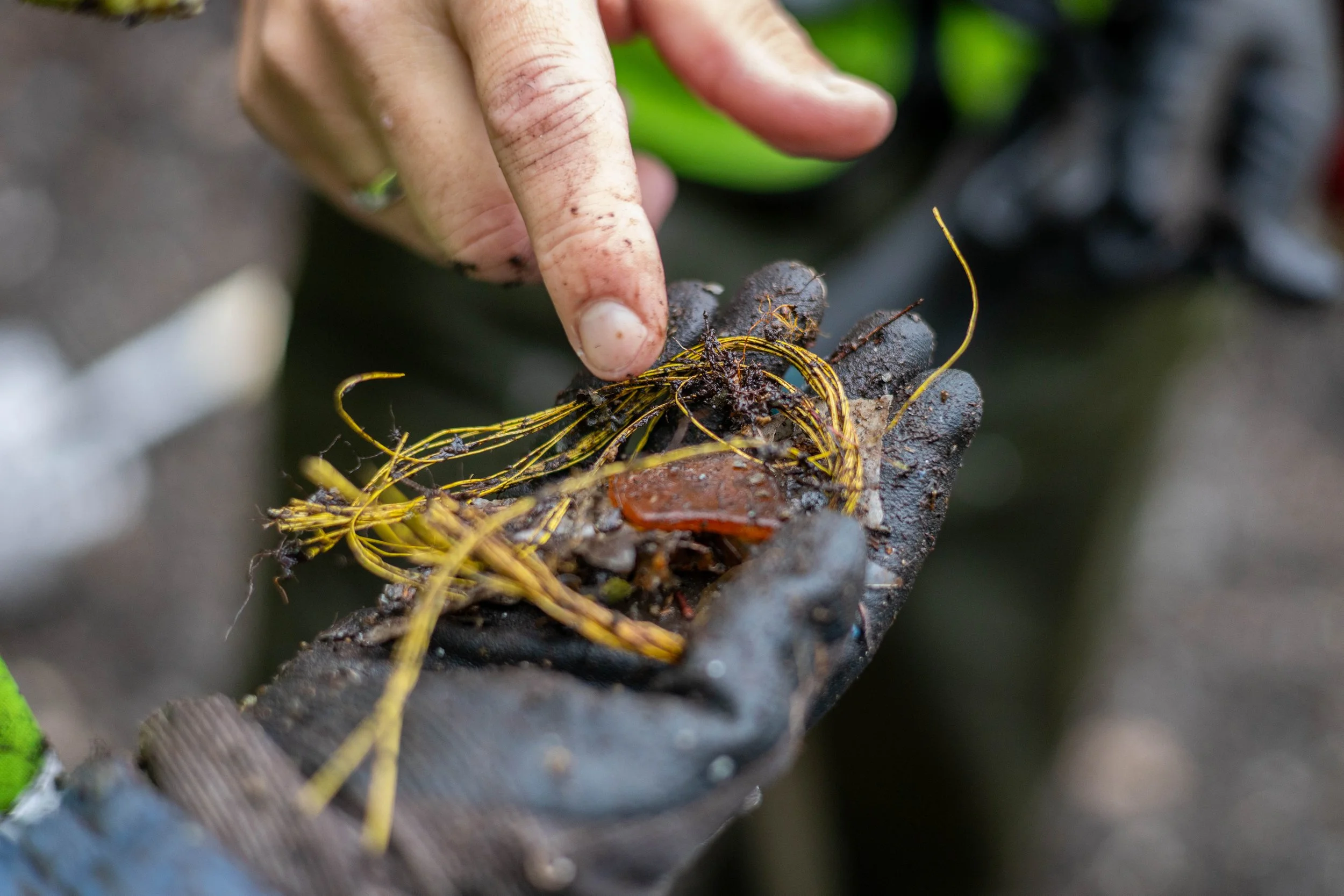
Through large-scale initiatives such as Rein Hardangerfjord and Rein Sognefjord, Framtidshavet has mobilised thousands of volunteers, schools, businesses, municipalities, and community organisations to remove marine waste from some of Norway’s most iconic fjord landscapes. The organisation has already engaged more than 10,000 participants and removed significant amounts of litter from coastal and fjord environments.
Beyond clean-up operations, Framtidshavet works to raise awareness, inspire behavioural change, and develop scalable models for restoring fjord ecosystems. By bringing together local communities, researchers, industry, and public authorities, the foundation demonstrates how collective action can create lasting environmental and social impact.

Related projects

PROJECTS FROM OUR FIVE PRIORITY AREAS
All · Children & youth · Music & culture · Health & research · Climate action · Social impact investment