
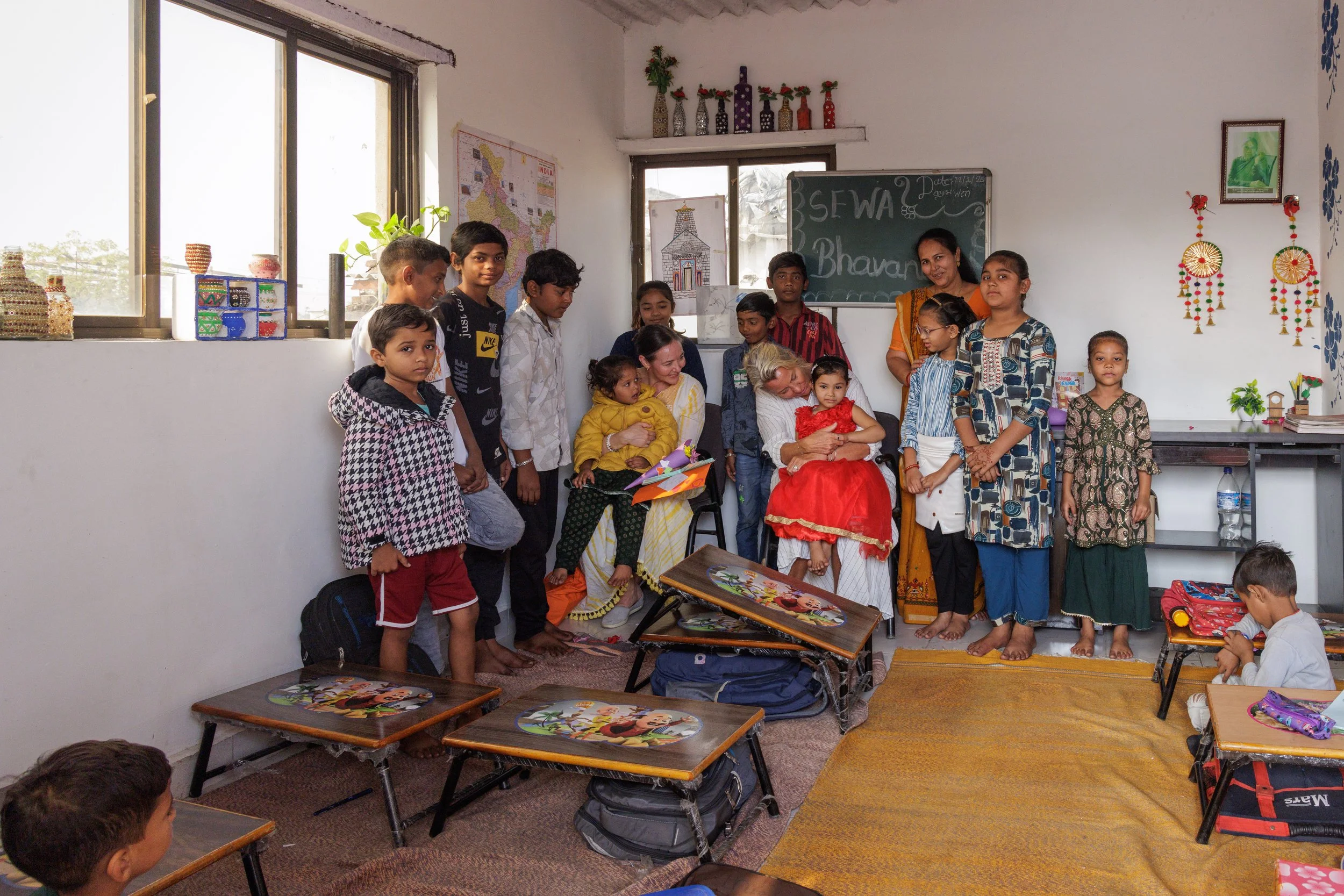
OUR VISIT TO INDIA
From Scrap to Strength
The power of organising for dignity, rights and recognition
Down narrow lanes in Bhavnagar, where the sea air mixes with dust and metal, electronic waste lies in quiet, deliberate piles. Inside small homes with tin roofs that glow under the harsh sun, in shaded courtyards and along uneven streets, the remnants of a global digital economy are spread across the ground — tangled wires, fractured circuit boards, obsolete fragments of unrecognizable origin. What once powered international trade and modern life now rests in fragments at their feet.
Three generations of women sit side by side. Grandmother. Mother. Daughter. Their saris are vivid — deep reds, saffron yellows, indigo blues — striking against the greys of plastic and metal. Cross-legged on thin mats, they work with steady hands. A pair of pliers. A small knife. A new hammer beside an old one, its wooden handle polished smooth by years of repetition.
Piece by piece, they dismantle what the world has discarded. Copper is teased from its casing. Tiny screws are saved. Metals are sorted by colour and weight. Every gram matters. Every rupee counts.
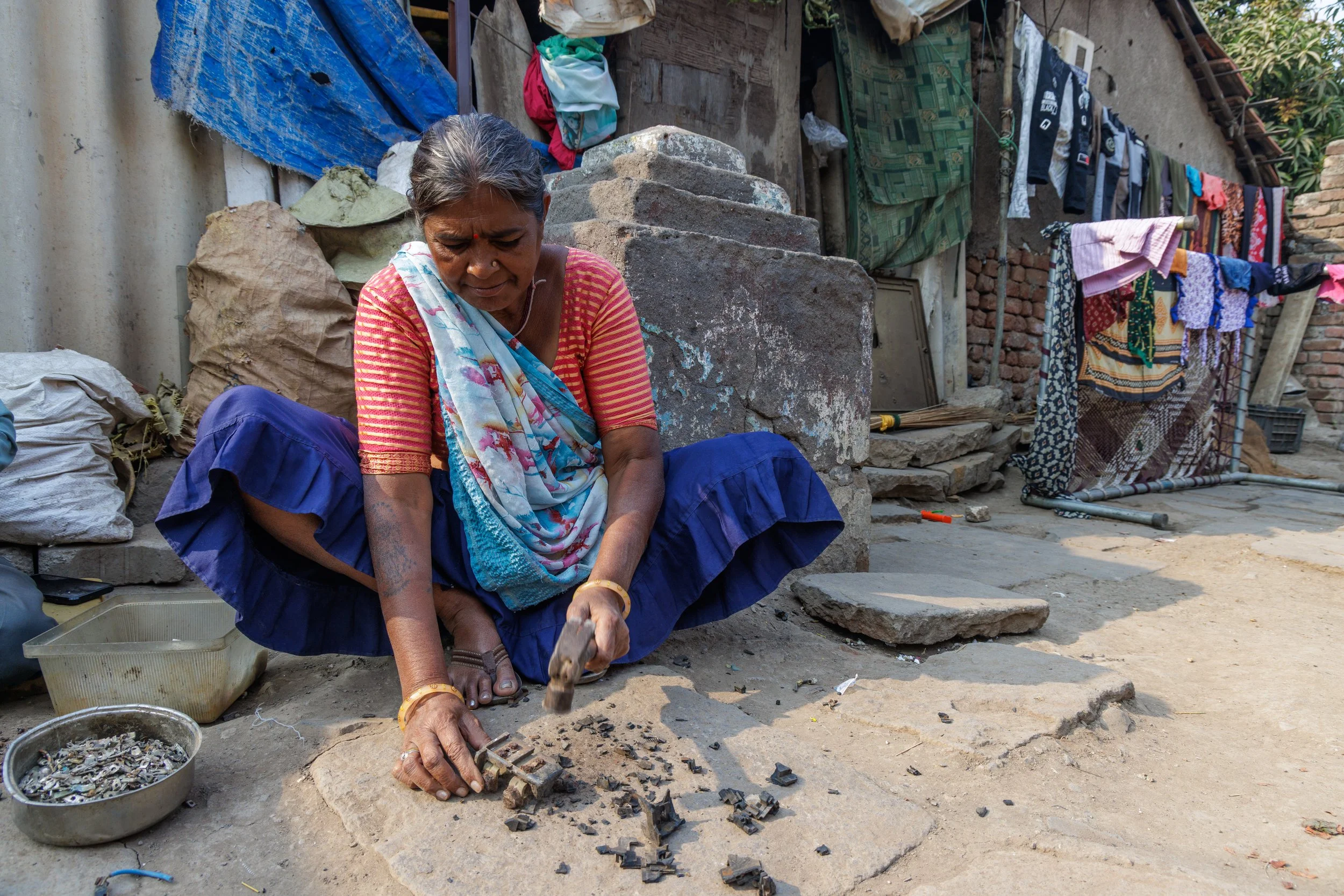
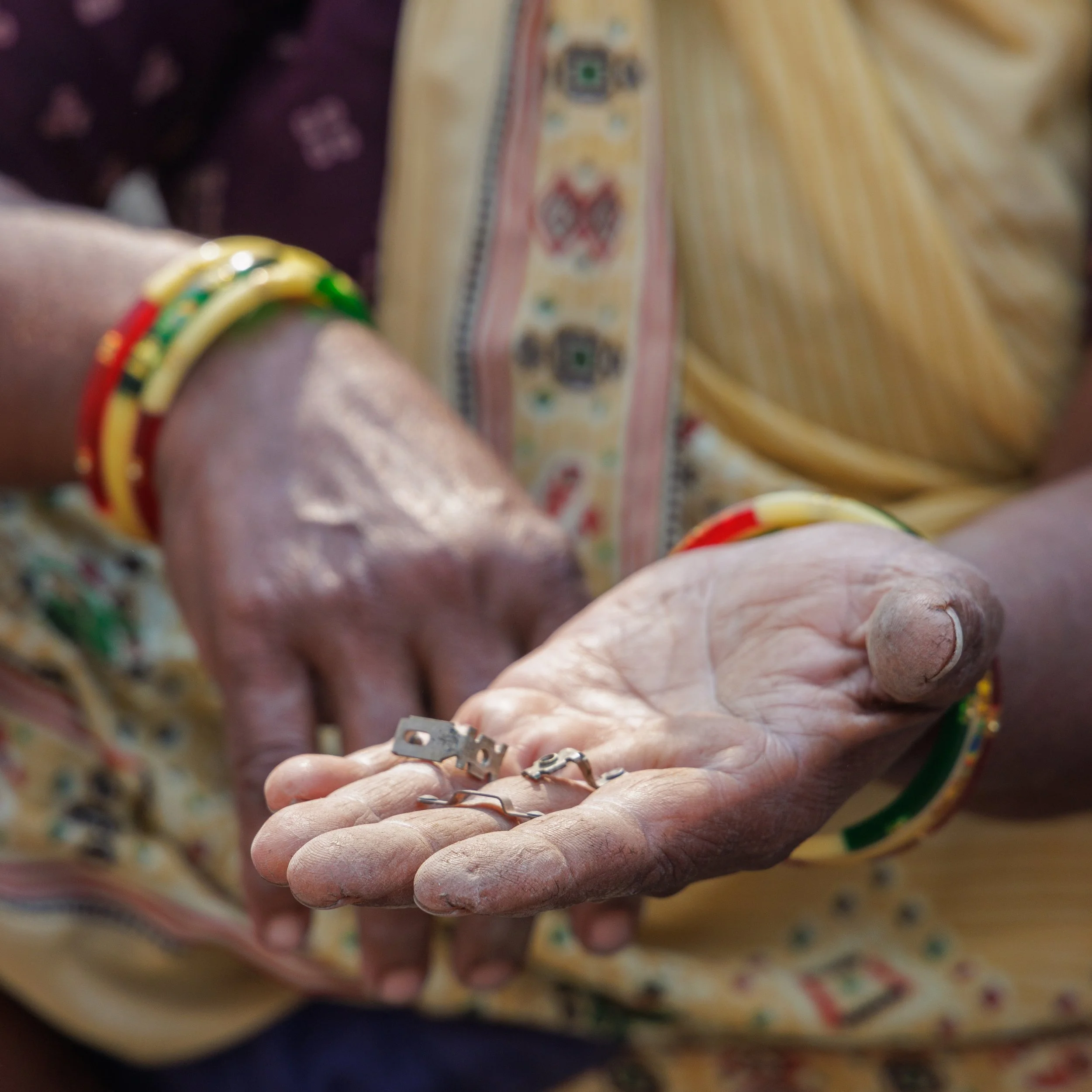
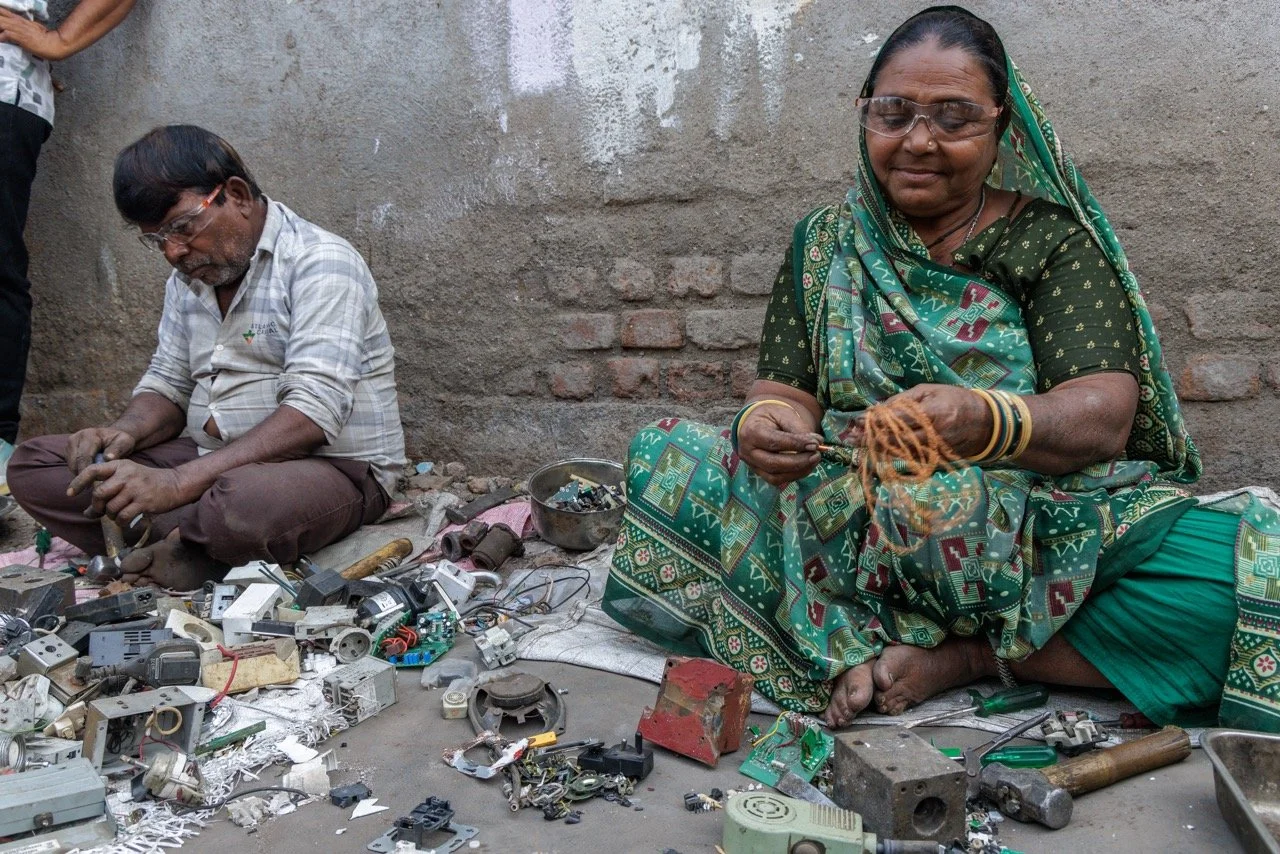
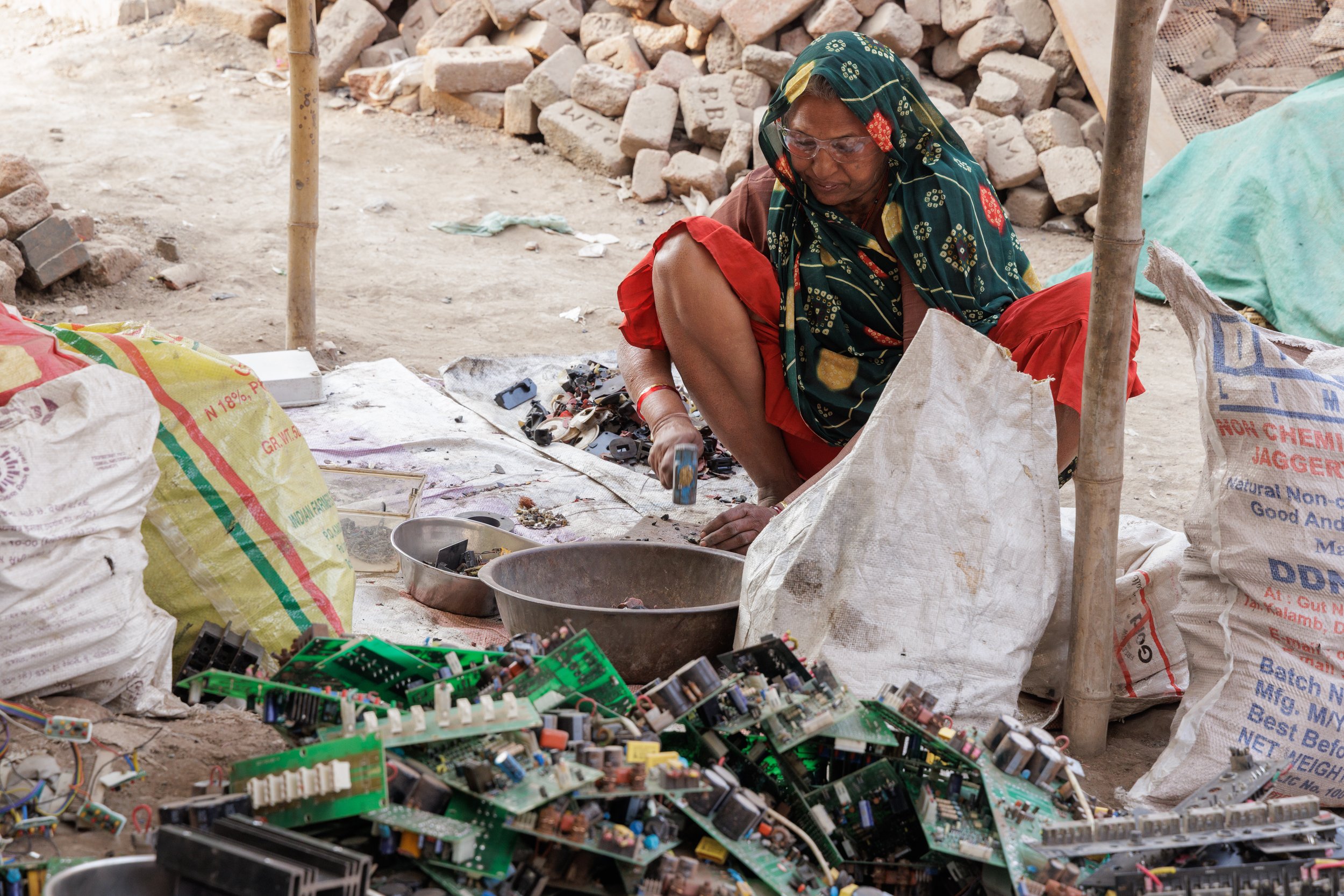
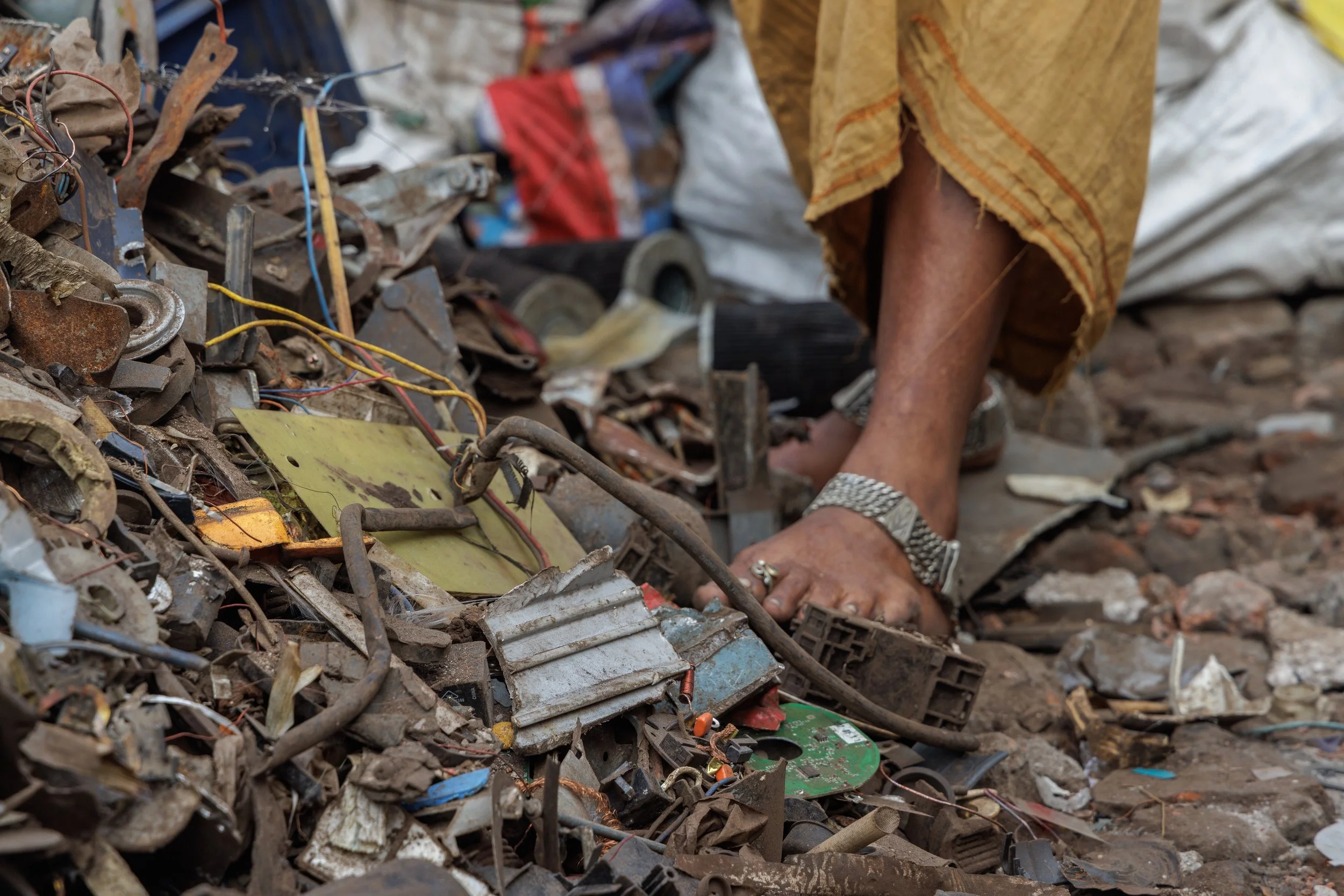
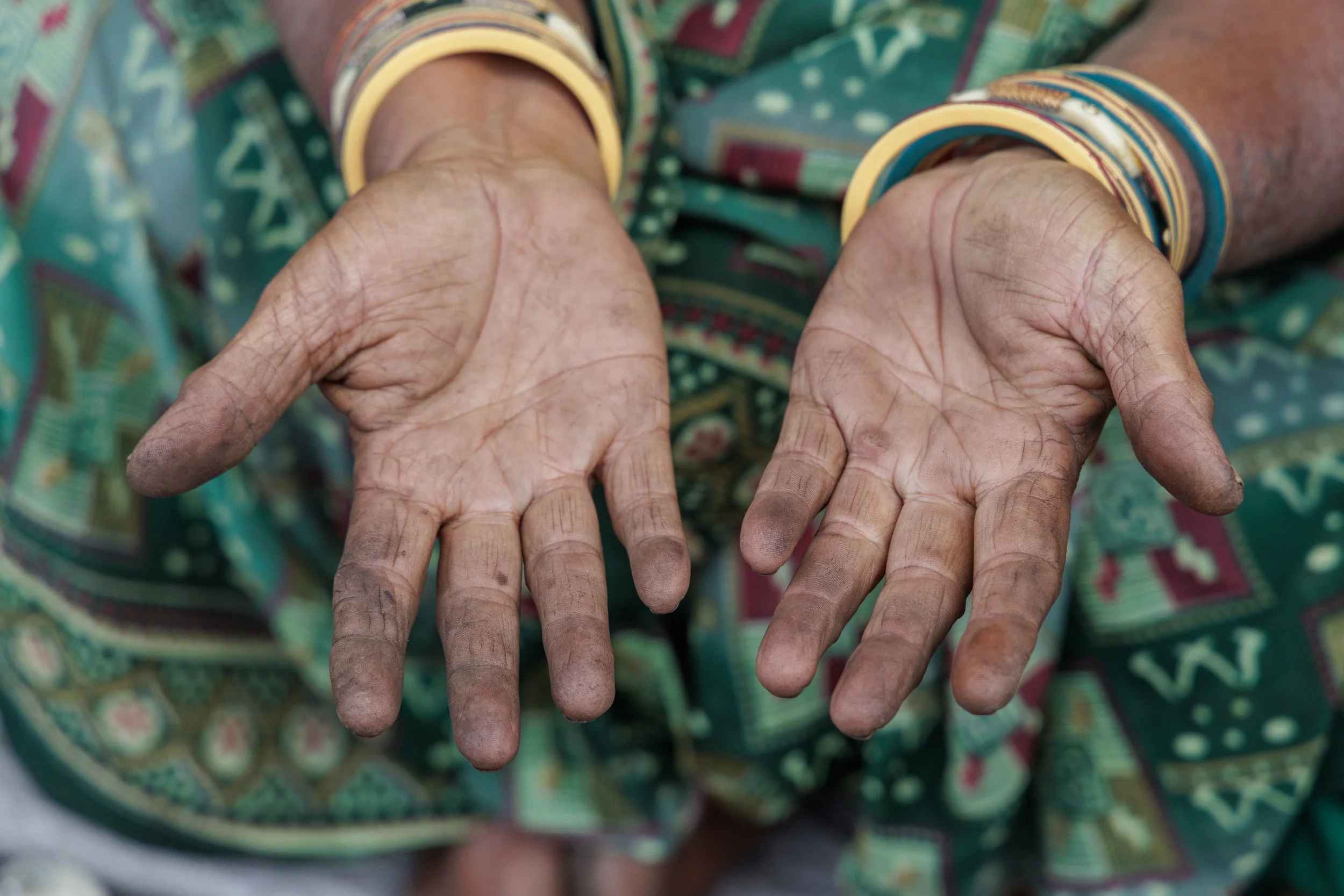
The work is relentless. Fine dust clings to their fingers. The smell of burnt insulation lingers in the air. The sun presses down. For years, this was simply survival. “We never thought of it as work,” one woman says quietly. “It was just what we had to do.” Middlemen determined the price. There was no negotiation. No recognition. No safety net. Their labour sustained the circular economy, yet they themselves remained invisible within it.
And yet, something has changed.
Today, the women wear gloves and safety glasses. Umbrellas shield them from the fiercest heat. New tools lie beside the old. A small cushion eases the strain on their backs. These changes may seem modest, but they represent something transformative: acknowledgement.
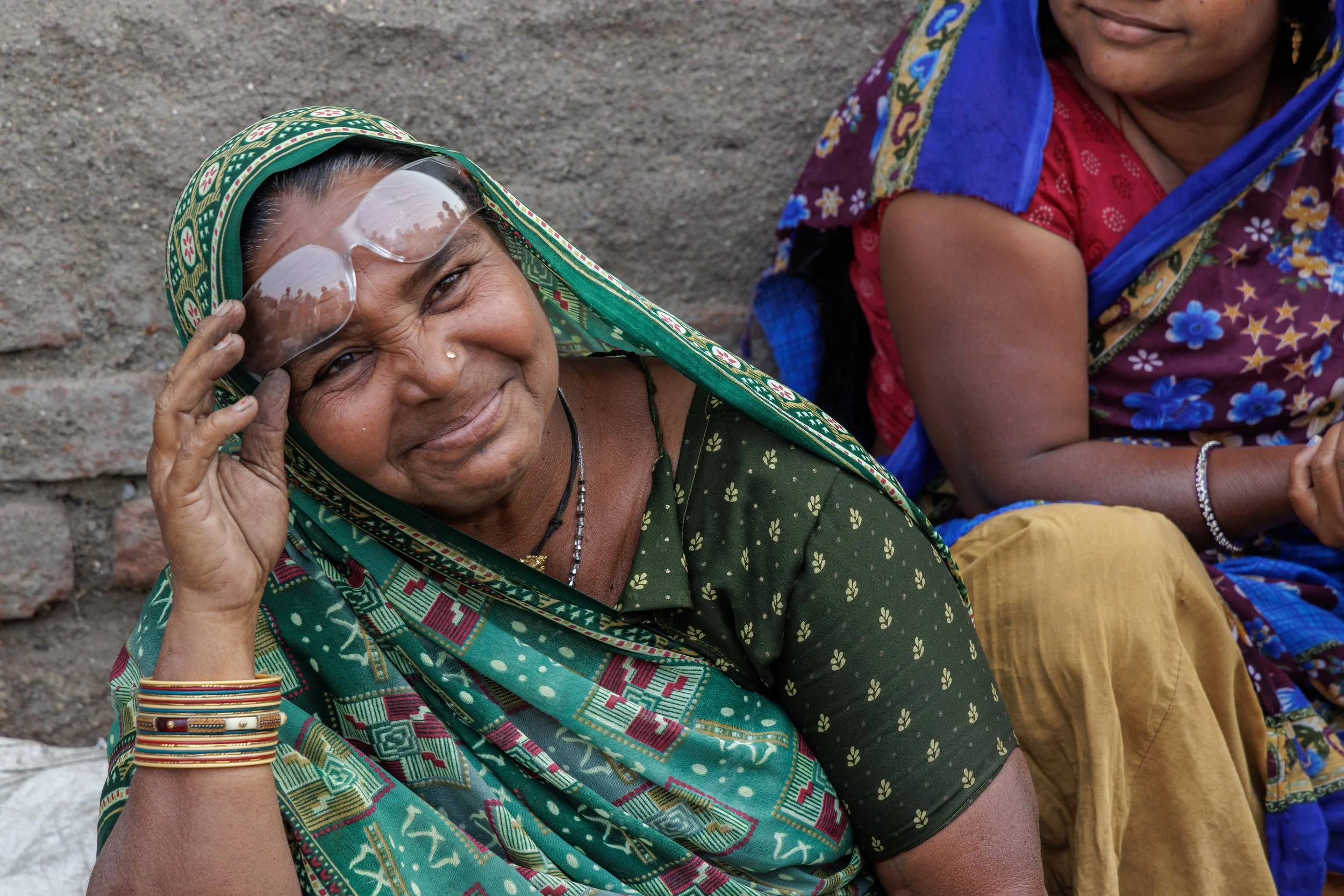
Through SEWA’s organising, the women have begun to see themselves not as scavengers, but as workers. They meet collectively. They know the market value of copper. They negotiate. The goal is to acquire identity cards in their own names — small documents carrying enormous meaning — opening access to health care, insurance and pensions. Many have opened savings accounts for the first time in their lives. Capital in their own name. Security. Possibility.
“My work has value,” one woman says, her voice steady. The others nod.
Children still weave between the piles of dismantled electronics, laughing. But the future feels less predetermined. With recognition comes bargaining power. With organisation comes dignity. With savings comes resilience.
SEWA’s intervention is not only about tools or training. It is about voice, visibility and validity. It is about moving women from the bottom of a vast industrial chain to a place where they stand together — organised, recognised, respected.
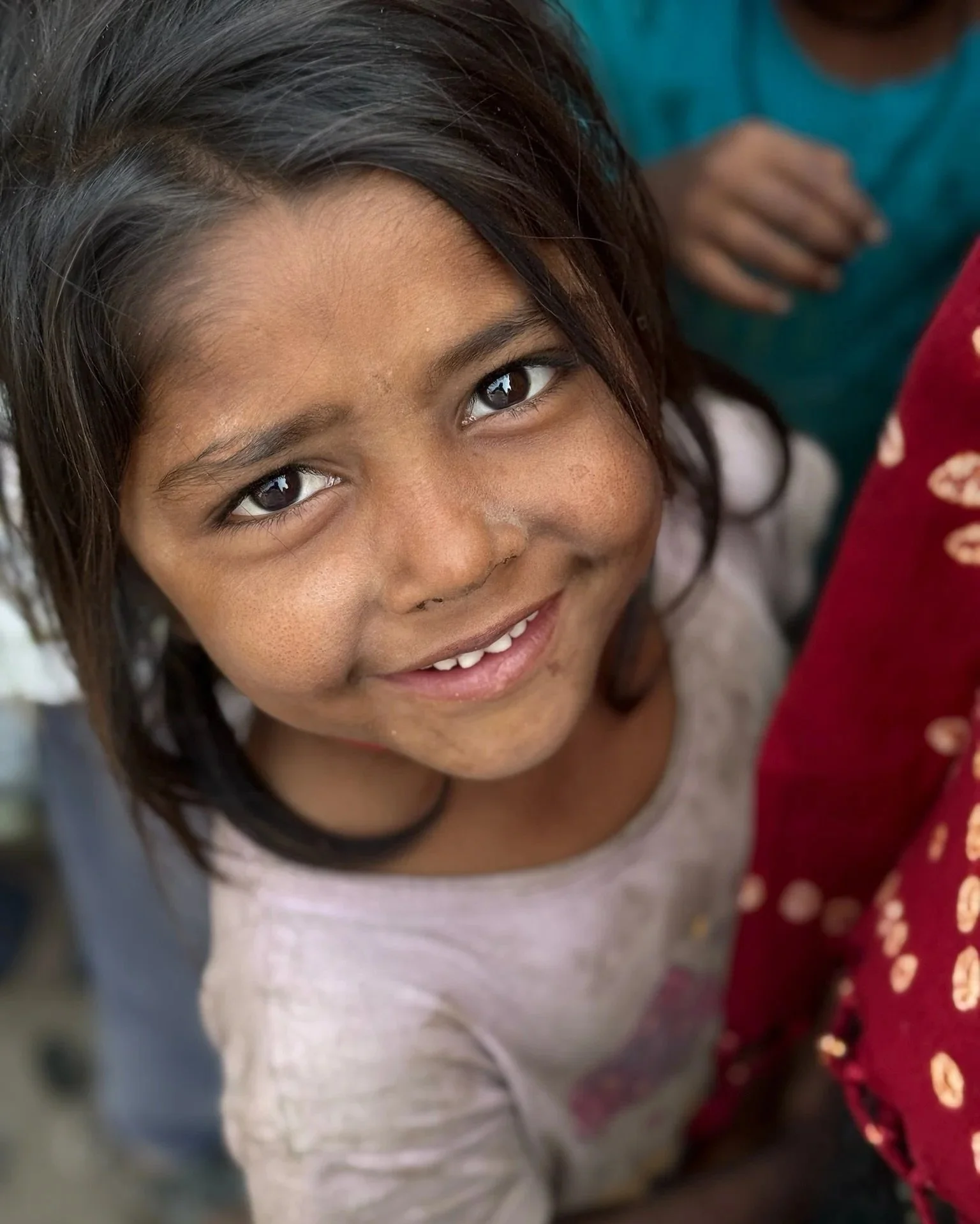
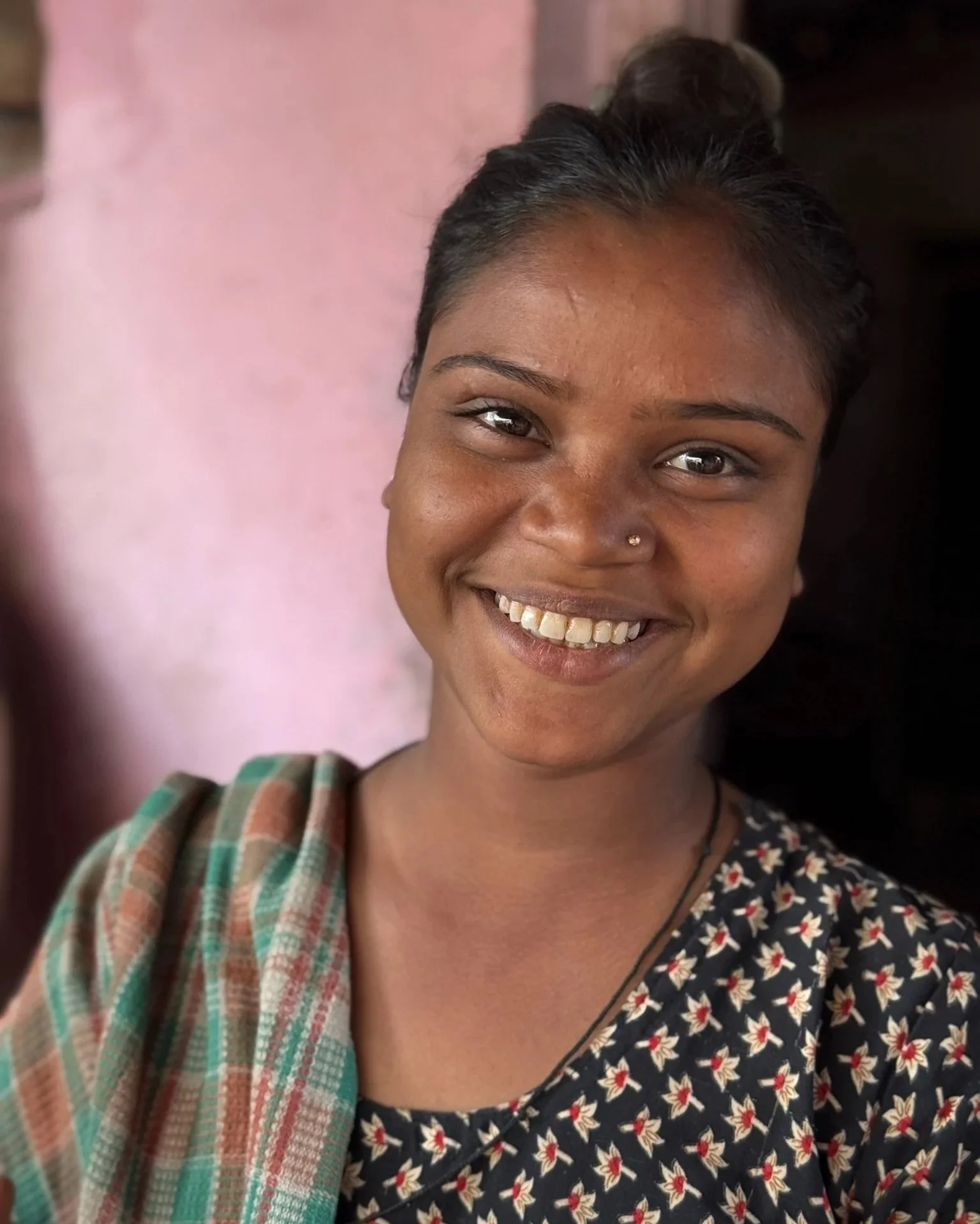
Meeting these women stays with me. It was not only the hardship of their work that moved me, but the quiet shift in how they carried themselves — the pride, the steadiness, the sense of claiming space. Watching them work quietly, I was struck by how easily their labour could remain unseen — and how powerful recognition can be. What was equally striking was the strength and beauty of the community they have built together: women who once worked in isolation now meeting, organising, learning and standing side by side.
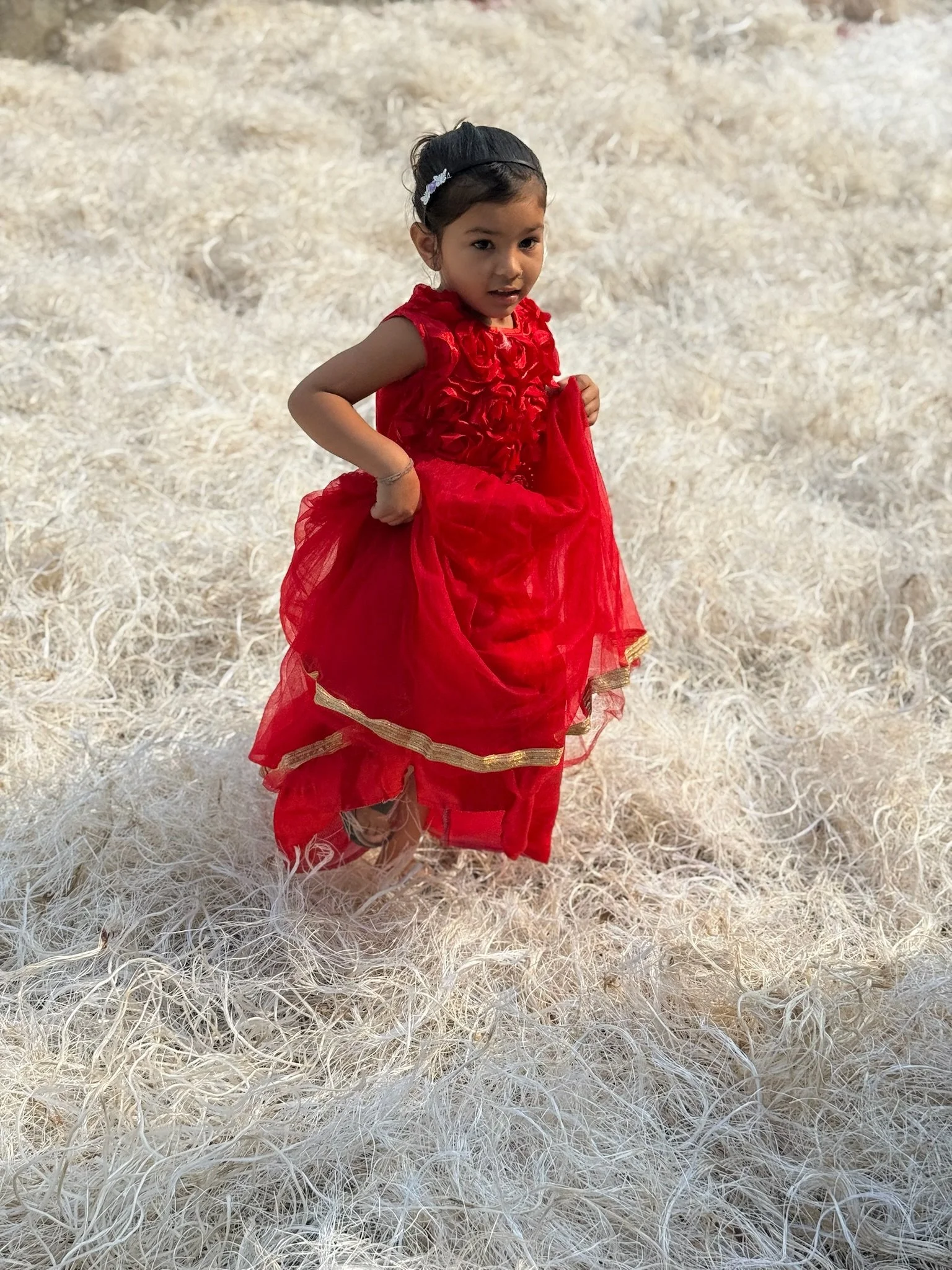
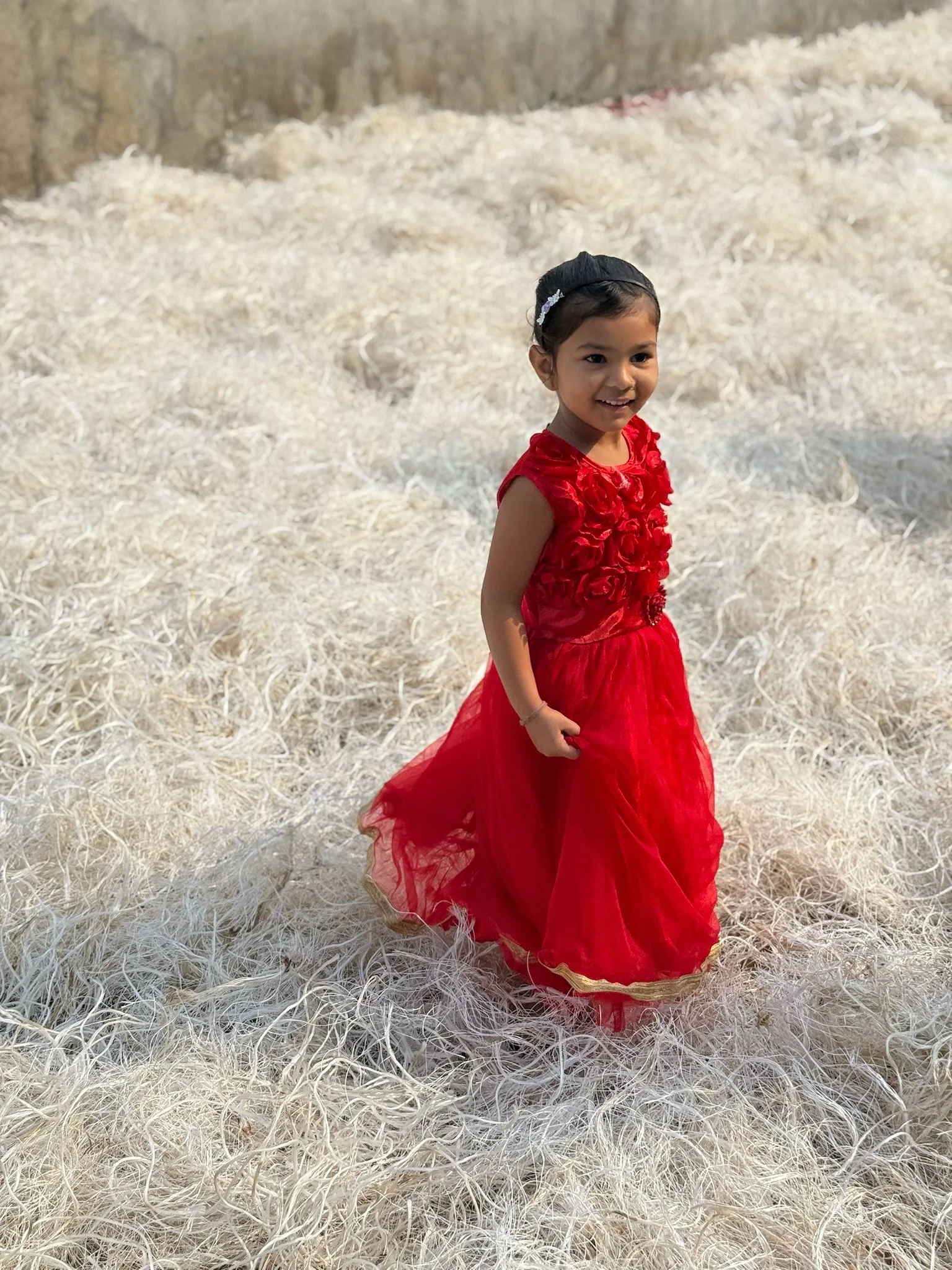
Thank you, SEWA, for the important and life-changing work you do. Thank you to all the amazing women who showed me their work and shared their stories. It made our partnership tangible and deeply meaningful. Witnessing that transformation firsthand reaffirmed why this work matters: Recognition is the foundation of dignity.