
After the Flood
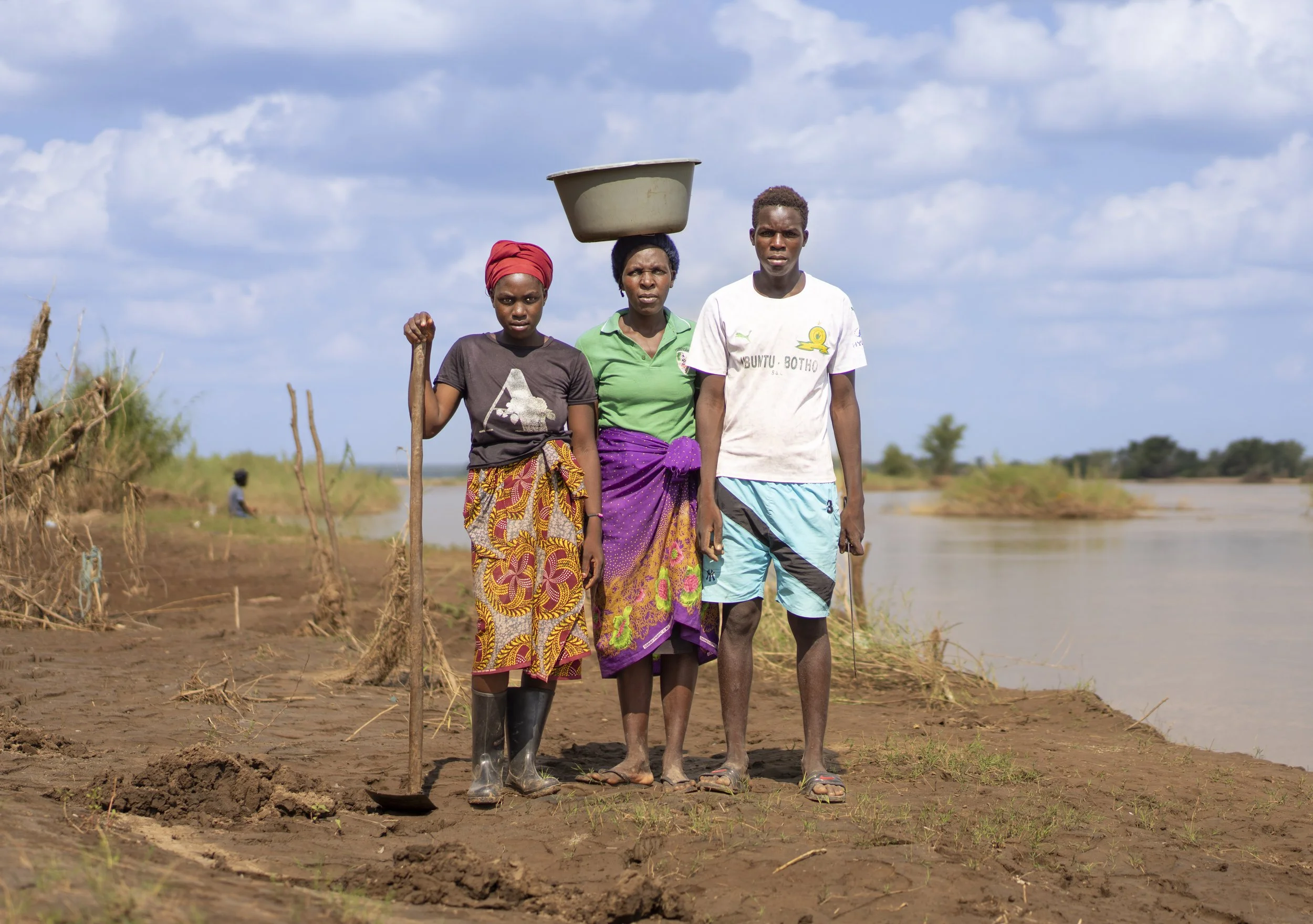
The heavy rain began in December. Carla was used to a lot of rain at this time of year, but this was different. It just kept pouring, week after week.
“It was like a lake here. People climbed into the trees.”
Carla lives in a small village near the great Limpopo River. In January, it overflowed its banks here in Gaza Province in southern Mozambique. Towns and villages were flooded. Children and adults clung to trees and rooftops and had to be rescued from the raging floodwaters. Farmland was transformed into vast lakes. The main road and railway line connecting the province to the capital, Maputo, were submerged. In total, around 300 people lost their lives.
Carla has five children and, like millions of people in Mozambique, she depends on farming for her livelihood. If her crops fail, she has neither income nor enough food to feed her children. For Carla and her family, the floods and torrential rains therefore had devastating consequences.
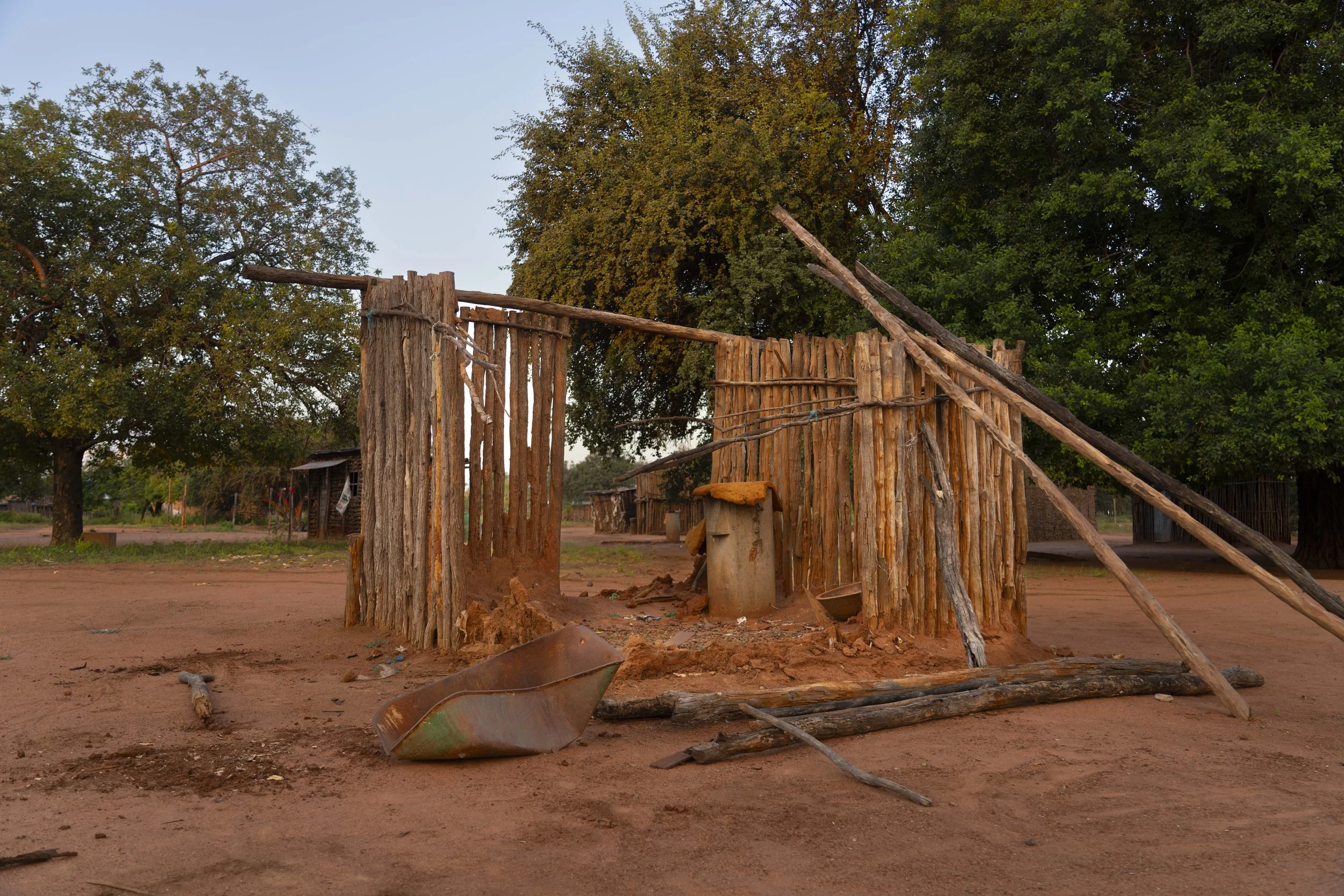
The house they live in is built from poles, stone and mud. During the extreme weather, it collapsed, and everything she owned was buried in mud. Even worse was what happened to her field, which disappeared beneath the water. All her tools and her entire harvest were destroyed.
Carla and her family were already living on the edge of survival before the flood. Normally, they ate only one proper meal a day — preferably in the evening, so they would not wake up hungry.
After the flood, they had no food at all. Carla says her five-year-old son cried a lot because he was so hungry. She tried to find odd jobs that could give her a small income so she could buy food. Carla earned a little money, but it was not enough to feed the family.
When the ground finally became dry enough to start farming again, she had neither tools nor seeds to plant in the soil — and no money to buy what she needed.
The Climate Project
Mozambique is one of Africa’s most climate-vulnerable countries, where extreme weather and prolonged drought threaten the livelihoods of millions of people already living in poverty.
Last year, Save the Children launched a major initiative called LINK. Supported by the Green Climate Fund, it is the most ambitious climate project in Save the Children’s history.
The main goal of LINK is to improve living conditions for the most vulnerable and climate-exposed families in Mozambique and help 500,000 people become better equipped to cope with floods, droughts and extreme weather. The project is being implemented in close cooperation with the government and local authorities, and it will also be linked to the national social protection system to ensure support for vulnerable groups.
An important part of LINK is that participating communities develop their own solutions to the climate-related challenges they face in everyday life. Communities establish their own committees to identify local challenges, discuss possible solutions, and develop plans for action. For many communities, the most important priorities are securing access to water and food, adopting farming methods that improve yields, and developing alternative sources of income outside agriculture, such as honey production.
Ripple Effects
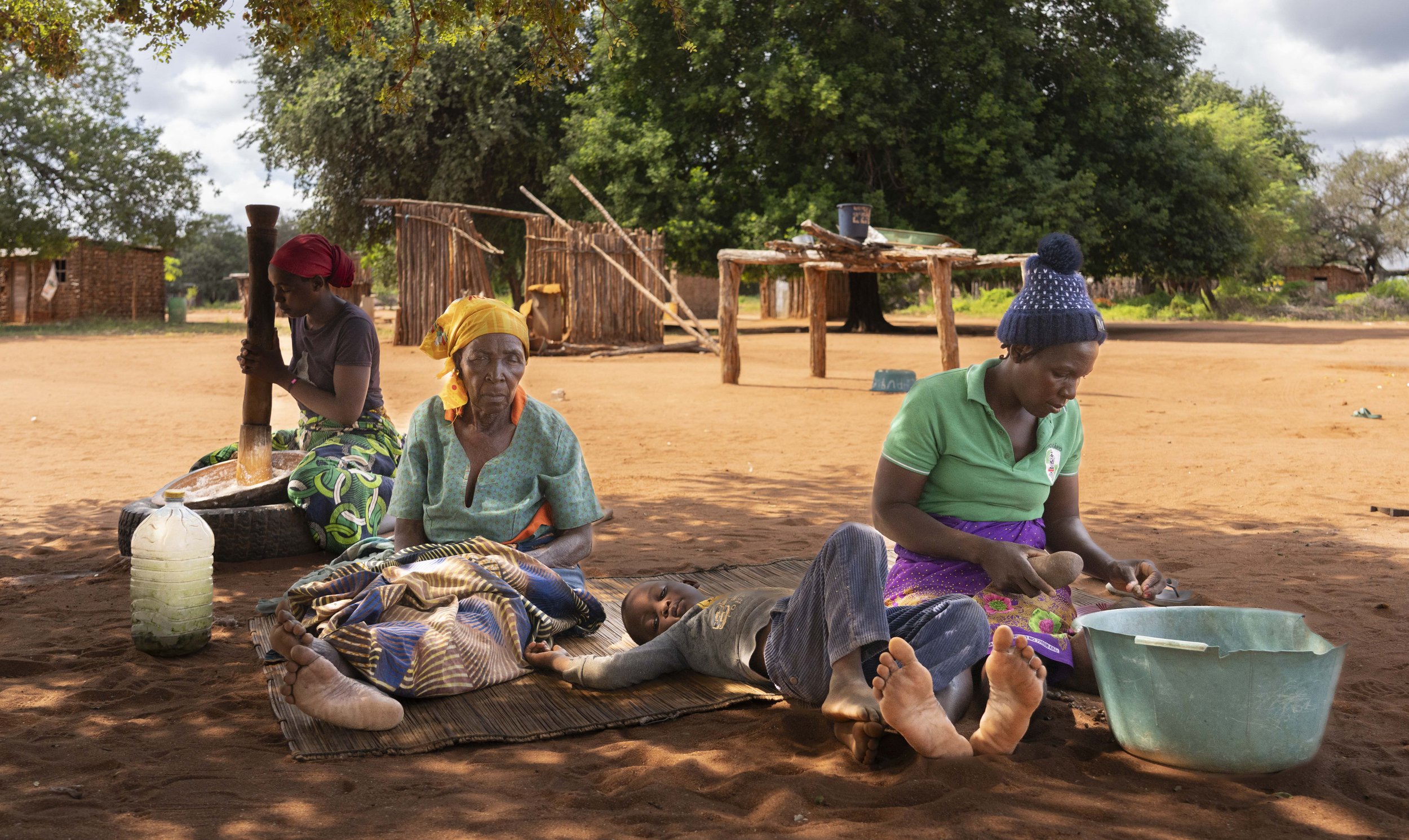
Carla lives in a community affected by both floods and droughts. This time, it was an enormous amount of rain in a short period that caused the damage. But the mother of five says the greatest threat to their livelihood is that droughts are becoming longer and that people no longer know when the rain will come.
As the climate changes, it is becoming increasingly important to invest in seeds and crops that can better withstand drought and extreme weather, and to find ways to improve growing conditions.
In April, Carla and more than 30 other families in the village received tools and seeds that produce stable harvests from Save the Children. They will now receive training in climate-smart farming. Over the course of the year, they will learn how to make natural pesticides from plants, use organic material for compost, and explore how growing different crops together can improve conditions for cultivation.
As part of the project, Save the Children is mapping which crops different communities grow and assessing whether, together, they provide a varied and nutritious diet. This is important because malnutrition is widespread. If a community lacks crops that provide protein, for example, they will receive bean seeds.
For the families living in this community, another challenge is that the nearest market is far away and that they receive low prices for the vegetables they sell. Save the Children is now working to find buyers who can come directly to the community. The plan is for several families to join together to sell vegetables collectively. That way, they can secure better prices and earn a little more income. Taken together, all these measures could have far-reaching positive effects for the community.
In addition, Save the Children will work with the community to develop alternative sources of income, which is less vulnerable to climate shocks than traditional farming. Together, these measures can create significant positive ripple effects throughout the community.
Seeds for the Future
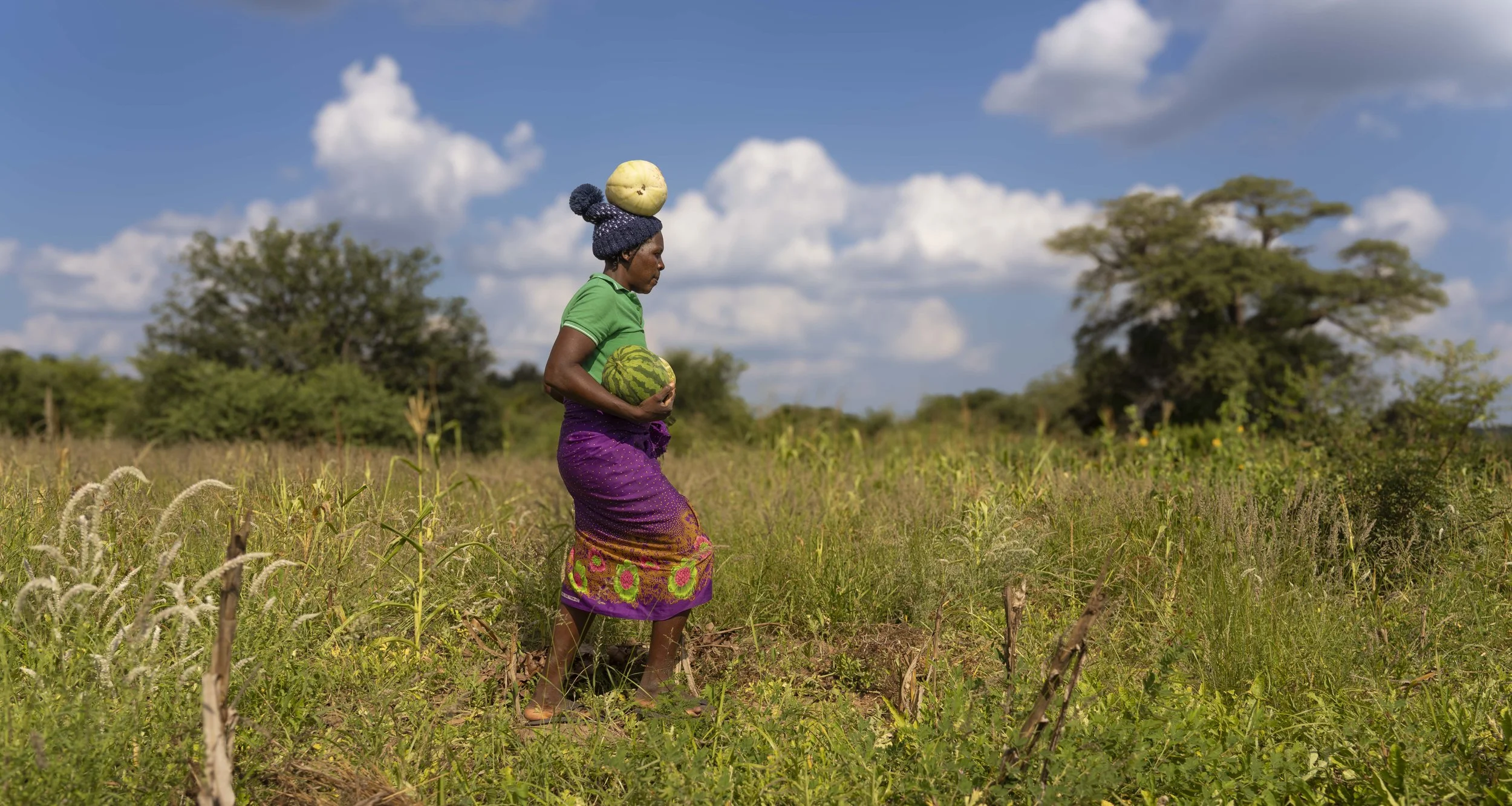
Carla has relied on farming for her livelihood since she was 18 years old. She cannot imagine another life, even though it has been anything but easy. Because she earns so little, she has not been able to afford to send all her children to school at the same time. When she lost everything after the floods, it affected her 16-year-old daughter, who is now staying at home instead of attending school.
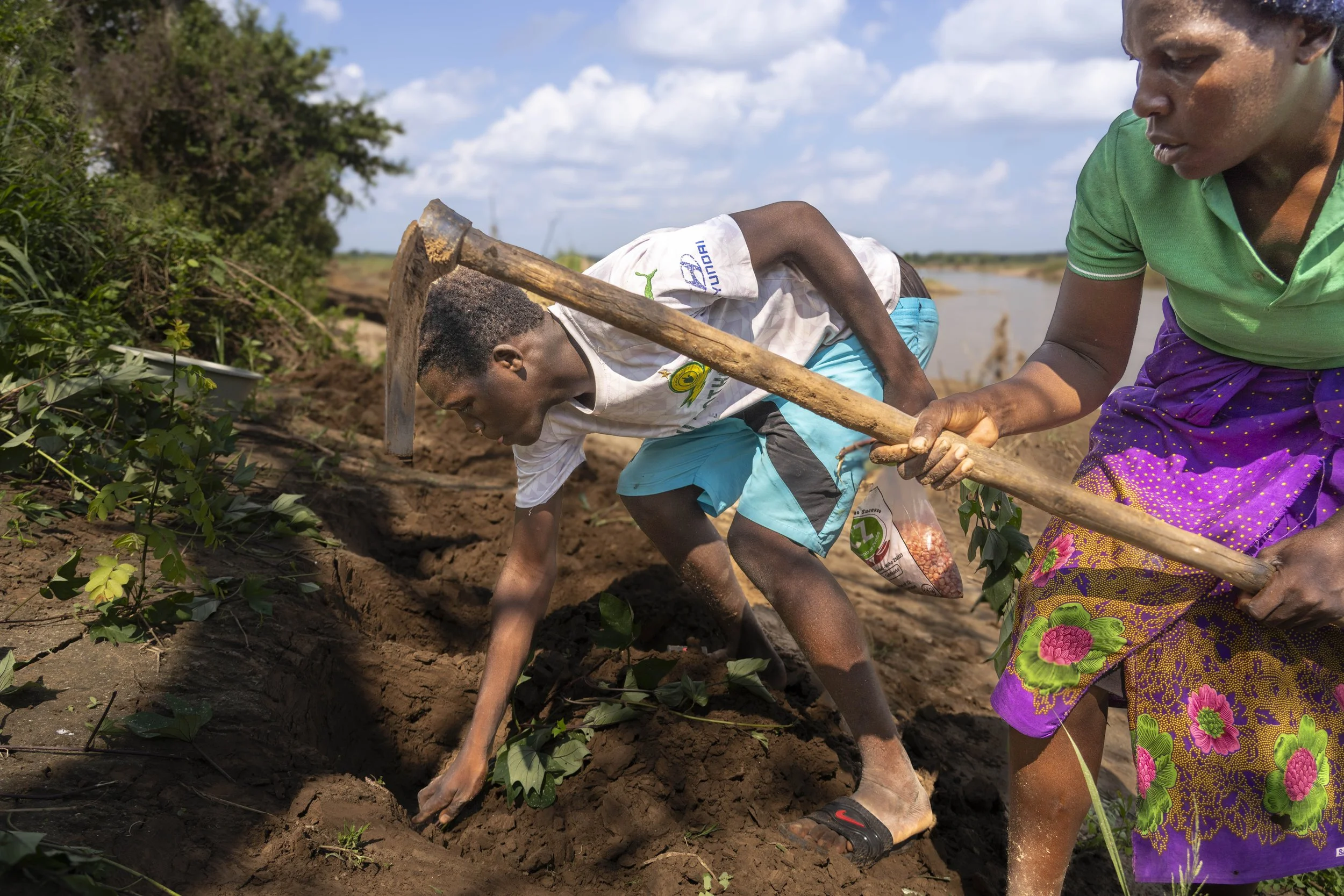
Together with her daughter and eldest son, Carla begins the walk to her field, which lies about four kilometers from their home.
The sun is beating down, and most of the floodwater has dried up. Down by the river, Carla starts digging holes in the soil. Here she will plant the seeds she received from Save the Children — seeds that could mark the beginning of a better future for her family.
The Climate Project in Mozambique
Mozambique is one of Africa’s most climate-vulnerable countries and is increasingly affected by droughts, floods, and cyclones.
LINK is a five-year climate adaptation project launched in 2025. Implemented in partnership with the Government of Mozambique, LINK aims to strengthen resilience to droughts, floods, and other extreme weather events through locally led climate adaptation measures, benefiting 500,000 people.
The project focuses on the country’s most climate-vulnerable communities and will be linked to Mozambique’s national social protection system to ensure support reaches those most in need.
LINK will also provide children and young people with training in climate awareness, disaster preparedness, and skills for emerging green employment opportunities.
Related stories
STORIES FROM OUR PRIORITY AREAS
All · Children & youth · Music & culture · Health & research · Climate action · Social impact investment