
Protecting her Community’s Water Source
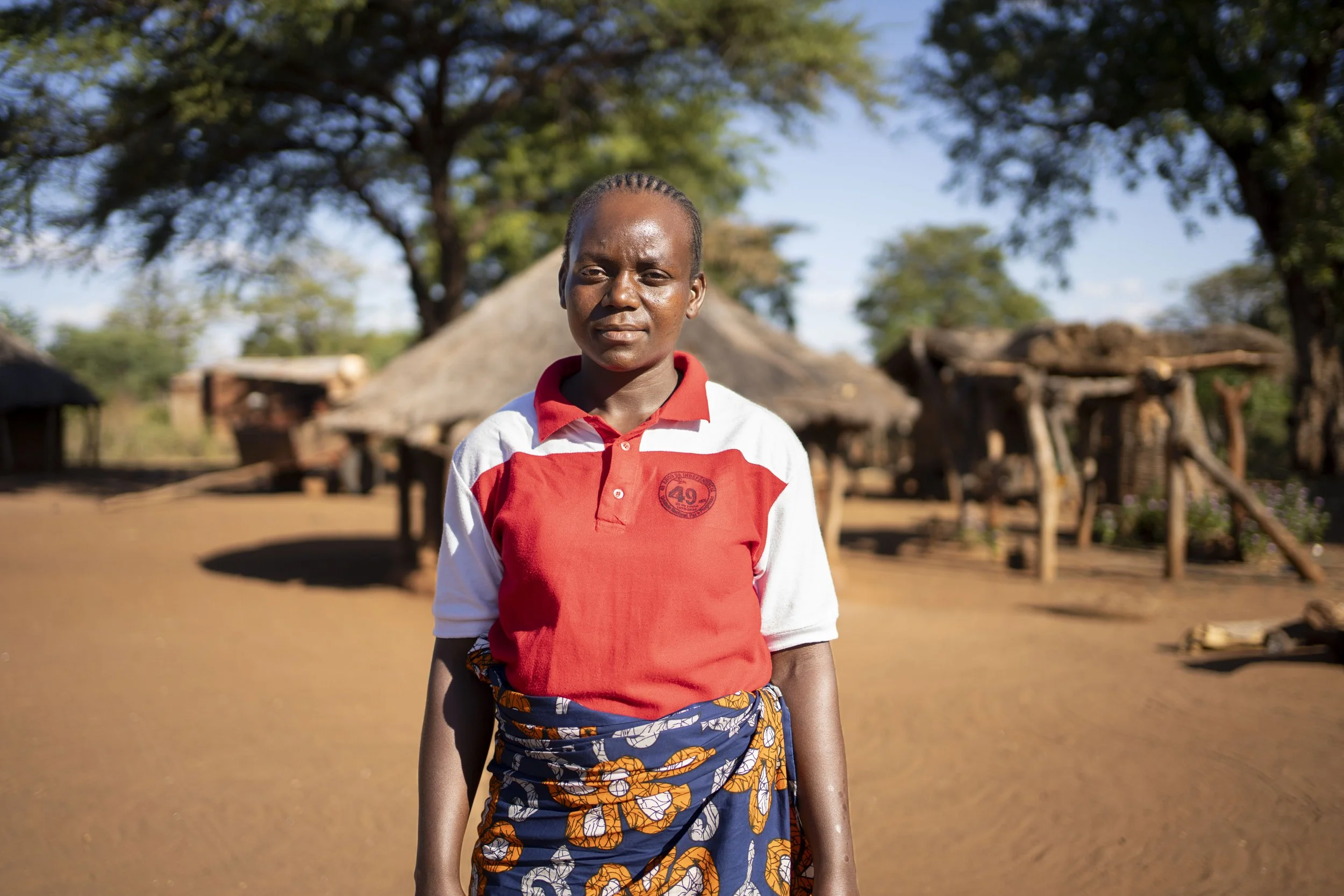
Teresa used to spend many hours every day searching for water. Now, a rehabilitated borehole has transformed life for her family and hundreds of others in the community.
“Everything changed when the well was repaired.”
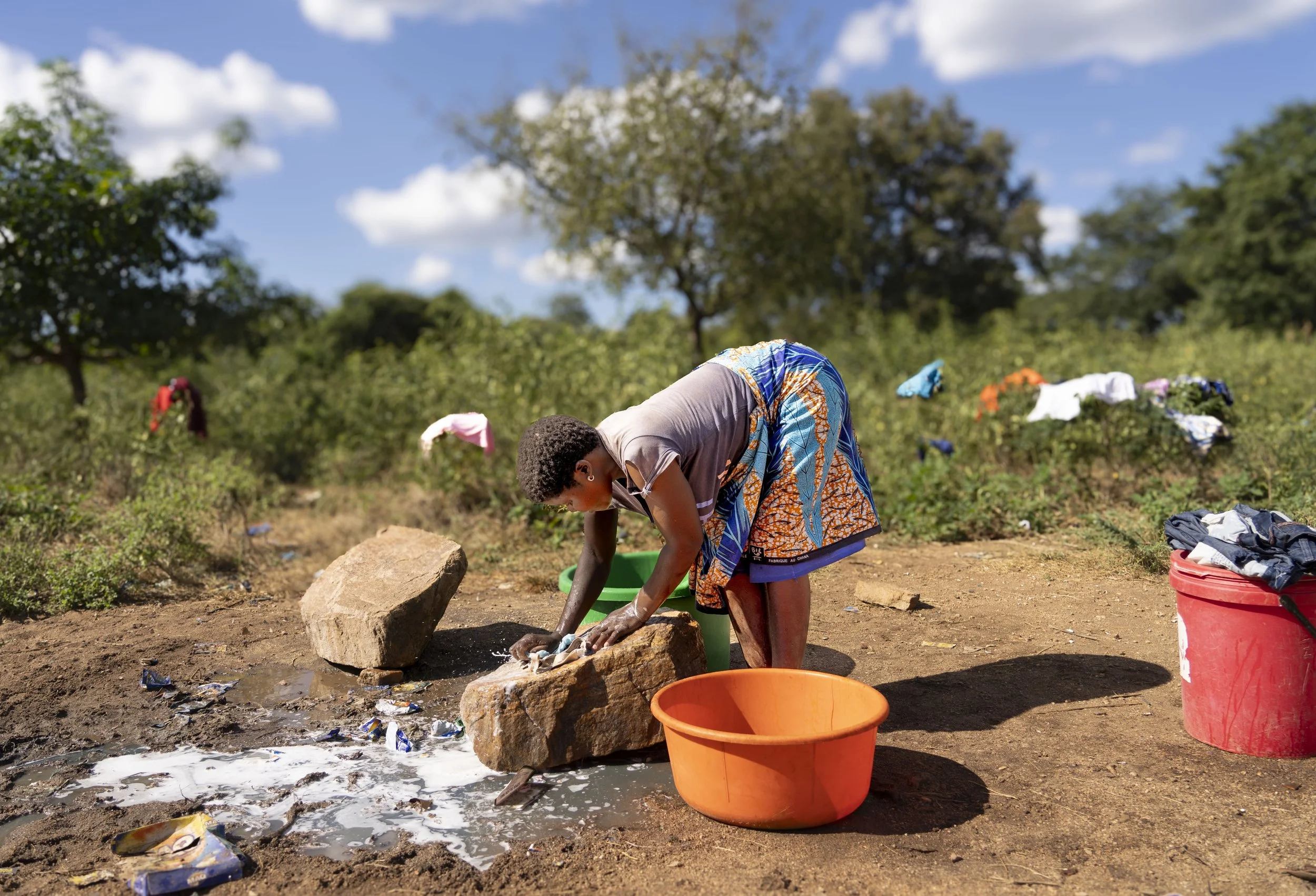
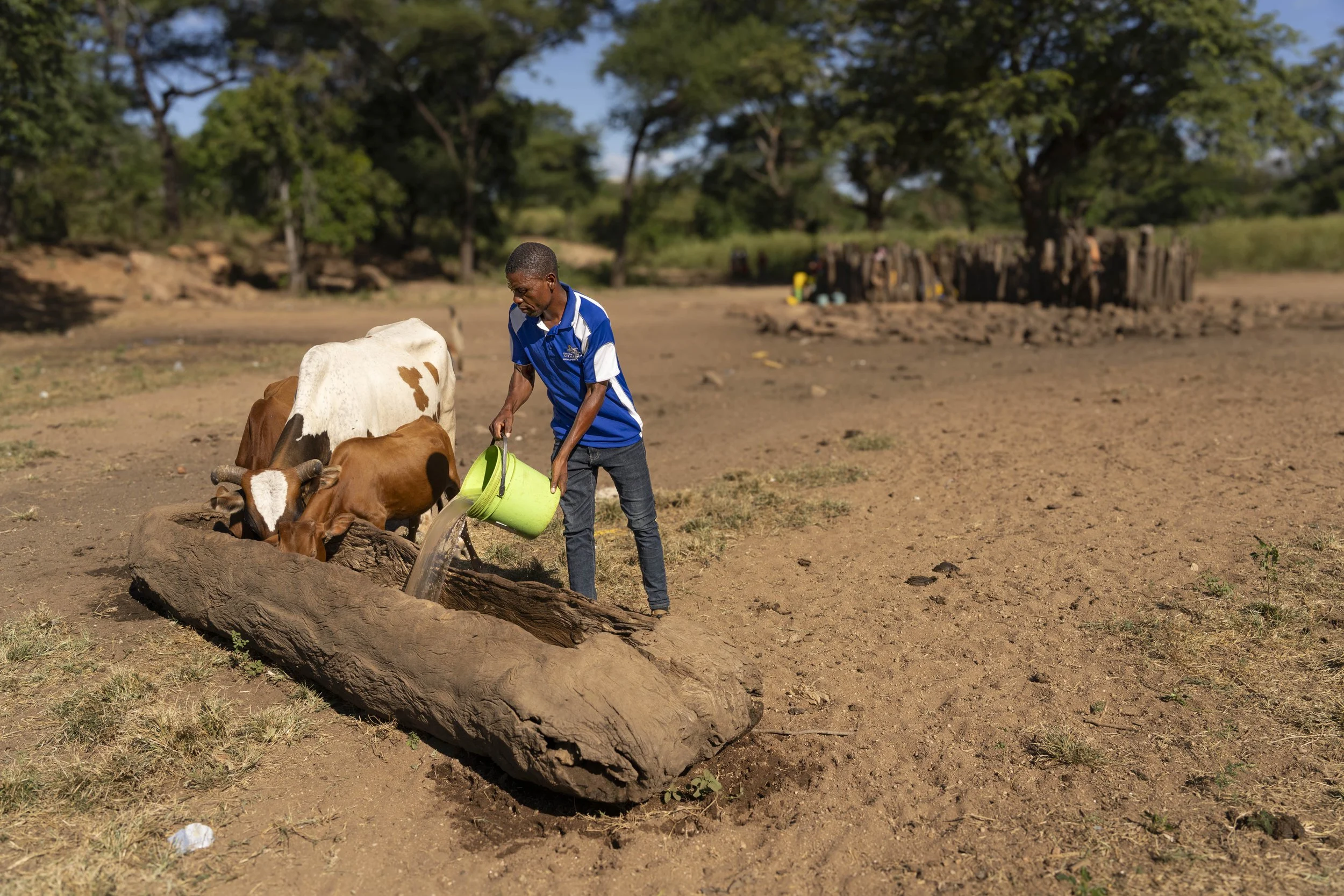
Teresa, 35, lives in a hot and dry area of Manica Province in western Mozambique. She has four children, and the family depends mainly on farming and livestock. Previously, Teresa spent much of her day securing water for her family. The nearest functioning borehole was many kilometers from the village, and there was never enough water for everyone. She could not wash her children, and their school uniforms were always dirty. It was also difficult to plan meals and ensure the children had enough drinking water. As a result, the children often missed school, and Teresa spent so much time fetching water that it affected both farming and other income-generating activities.
Across Mozambique, many families face the same challenges as Teresa. Water shortages are a widespread problem across large parts of the country, and climate change is making the situation worse. The problem is greatest for people living in rural areas who depend on unsafe and unreliable water sources. Long periods without rain cause boreholes to dry up and groundwater levels to fall.
Mozambique is among the African countries most vulnerable to climate change, with extreme weather events and prolonged drought threatening the livelihoods of millions of people already living in poverty. To help communities adapt to these challenges, Save the Children launched LINK, a climate adaptation project, last year. Through locally led adaptation measures, the project will help 500,000 people better withstand floods, droughts, and other extreme weather events while improving the living conditions of vulnerable families.
Improving access to water is an important part of this effort. Through LINK, Save the Children is rehabilitating around 200 boreholes, providing reliable water access for 20,000 people in some of the areas most affected by drought and water scarcity.
Taking Responsibility
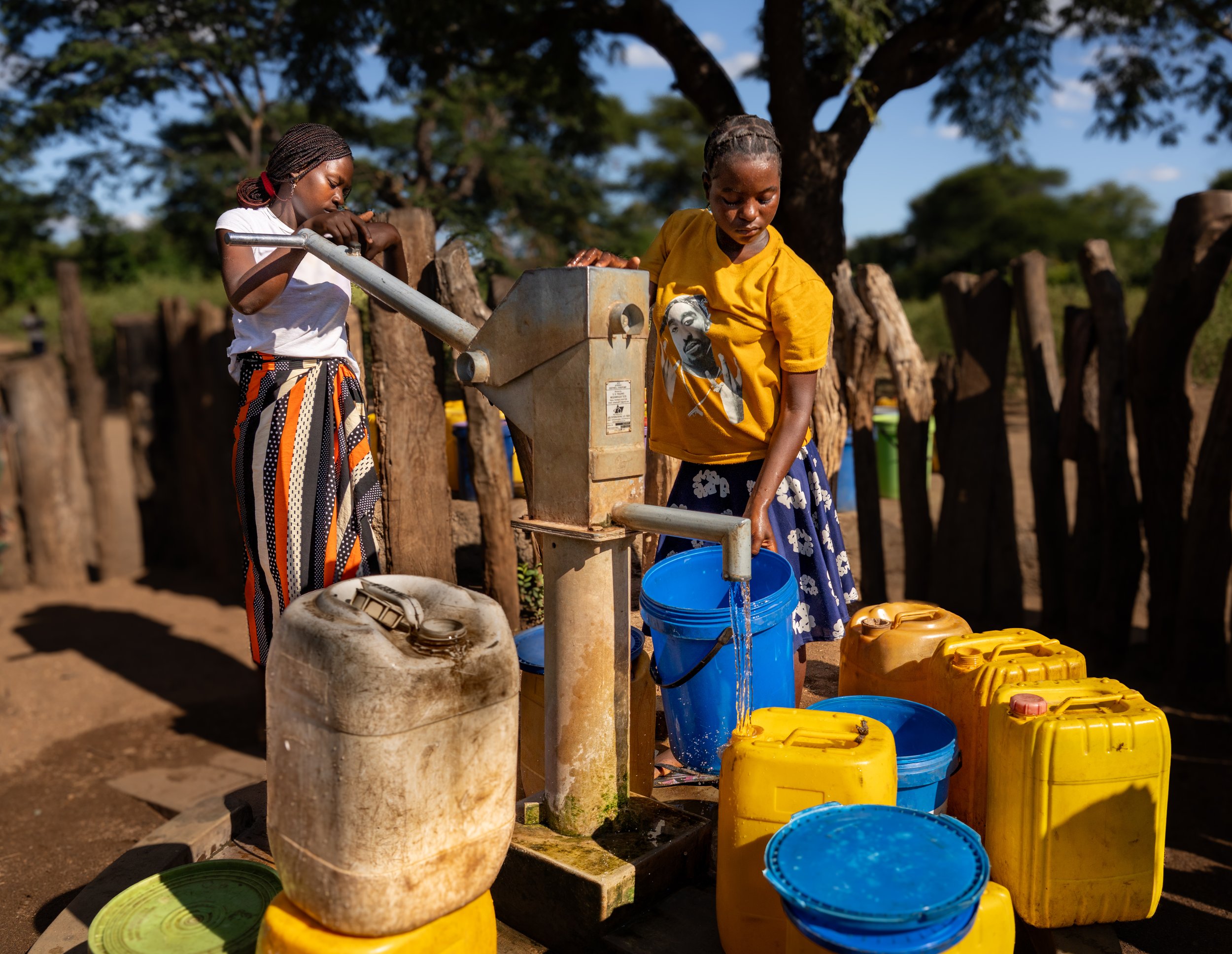
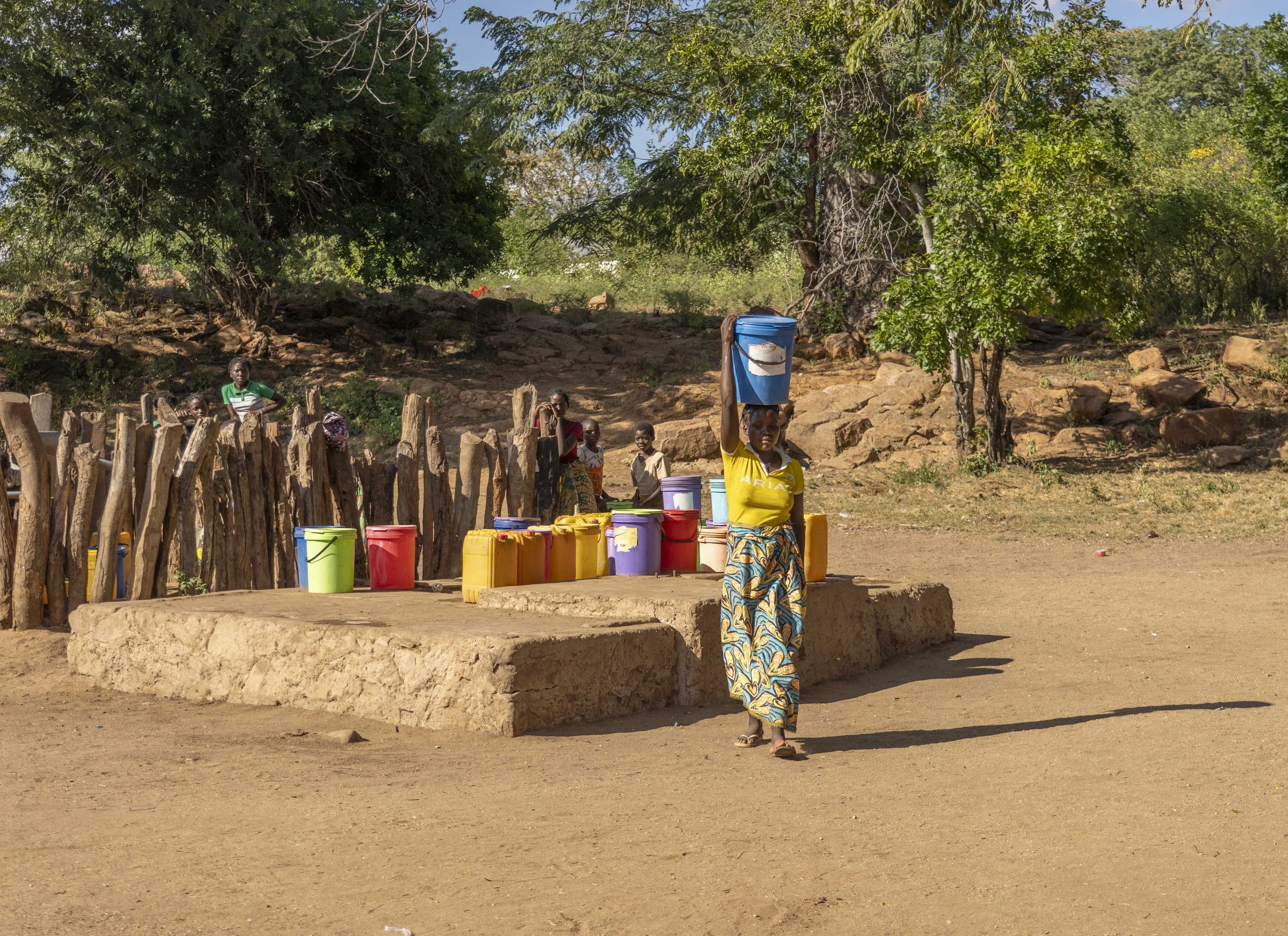
Teresa walks down to the borehole that Save the Children rehabilitated last year. It is located just a few hundred meters from her home. At the pump, women and children fill container after container with clean water.
Teresa is part of the village’s newly established water committee, which works both with hygiene around the borehole and with its operation. She explains that they have introduced a system in which everyone who uses the well pays a small monthly fee. The money is placed in a fund used exclusively for maintenance and repairs.
Through the LINK project, they have received training in how to carry out minor repairs themselves and how to ensure the borehole lasts for a long time.
“Our community is now organized in a way that allows us to operate and maintain the well even after the project ends. Every three months we open the borehole and check that everything is functioning properly. If something is broken, we use the money we have collected to repair it,” Teresa says.
An Easier Life
Life in the village is still difficult. Prolonged drought makes farming hard, and Teresa says it is also a problem that people from neighboring villages come to the borehole when they run out of water. She therefore hopes more boreholes in the surrounding area will be rehabilitated.
But compared with how things were before, her daily life is now much easier. She can wash the children and make sure they have clean school uniforms, which has allowed them to return to school. Without all the stress and exhaustion of securing water, Teresa has also gained more time for farming and other activities that can increase her income.
In the coming years, Teresa and the families in the village will receive support and training through the LINK project on how to farm more efficiently. The project will also introduce new income opportunities, such as honey production, and help connect farmers with markets where they can sell their crops and other products.
While there is still a long way to go, Teresa and the other families in the village may be in a much better position in the years ahead. But for now, she is simply grateful that they finally have a functioning well.
The Climate Project in Mozambique
Mozambique is one of Africa’s most climate-vulnerable countries and is increasingly affected by droughts, floods, and cyclones.
LINK is a five-year climate adaptation project launched in 2025. Implemented in partnership with the Government of Mozambique, LINK aims to strengthen resilience to droughts, floods, and other extreme weather events through locally led climate adaptation measures, benefiting 500,000 people.
The project focuses on the country’s most climate-vulnerable communities and will be linked to Mozambique’s national social protection system to ensure support reaches those most in need.
LINK will also provide children and young people with training in climate awareness, disaster preparedness, and skills for emerging green employment opportunities.
Related stories
STORIES FROM OUR PRIORITY AREAS
All · Children & youth · Music & culture · Health & research · Climate action · Social impact investment