
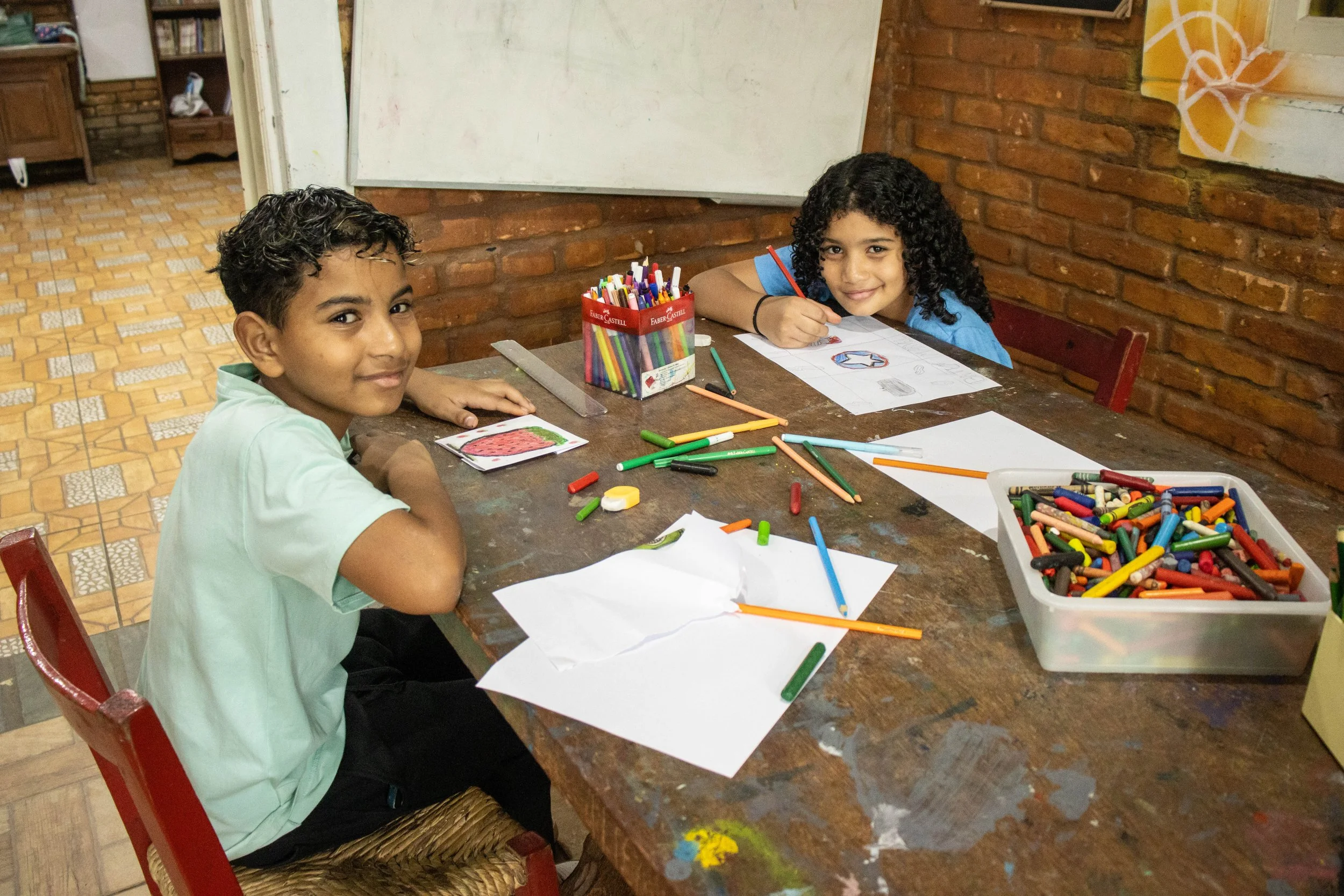
Many poor communities in Brazil’s large cities began as informal settlements that, over time, grew into large favelas. It takes years and a great deal of struggle on the part of residents before these areas receive even minimal infrastructure, such as basic sanitation or paved roads.
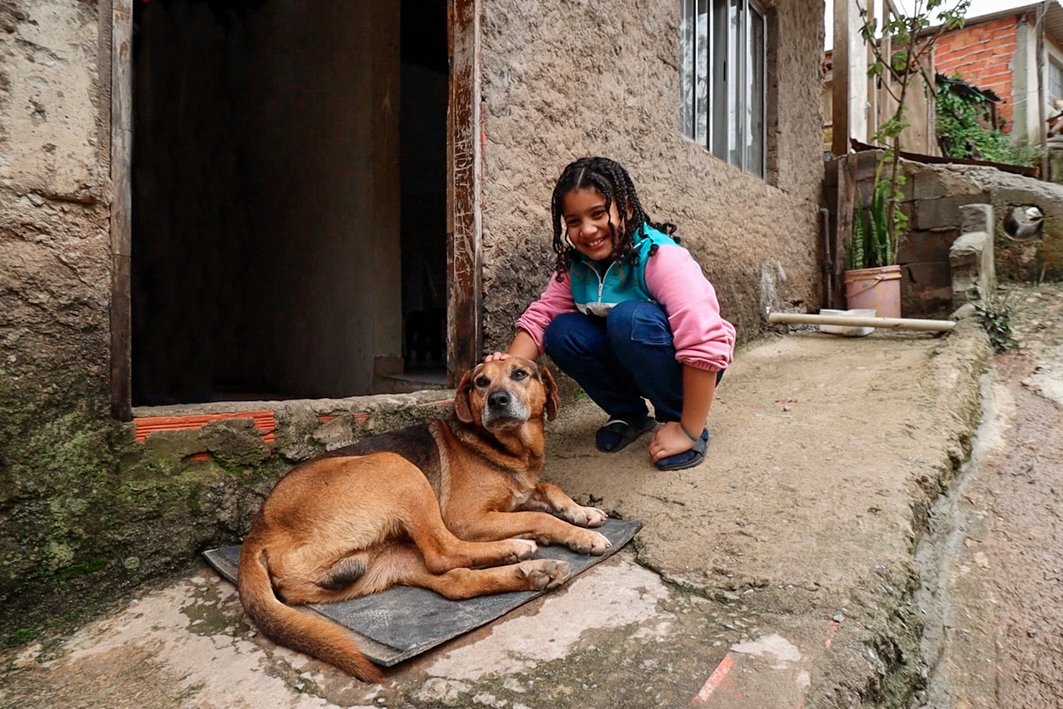
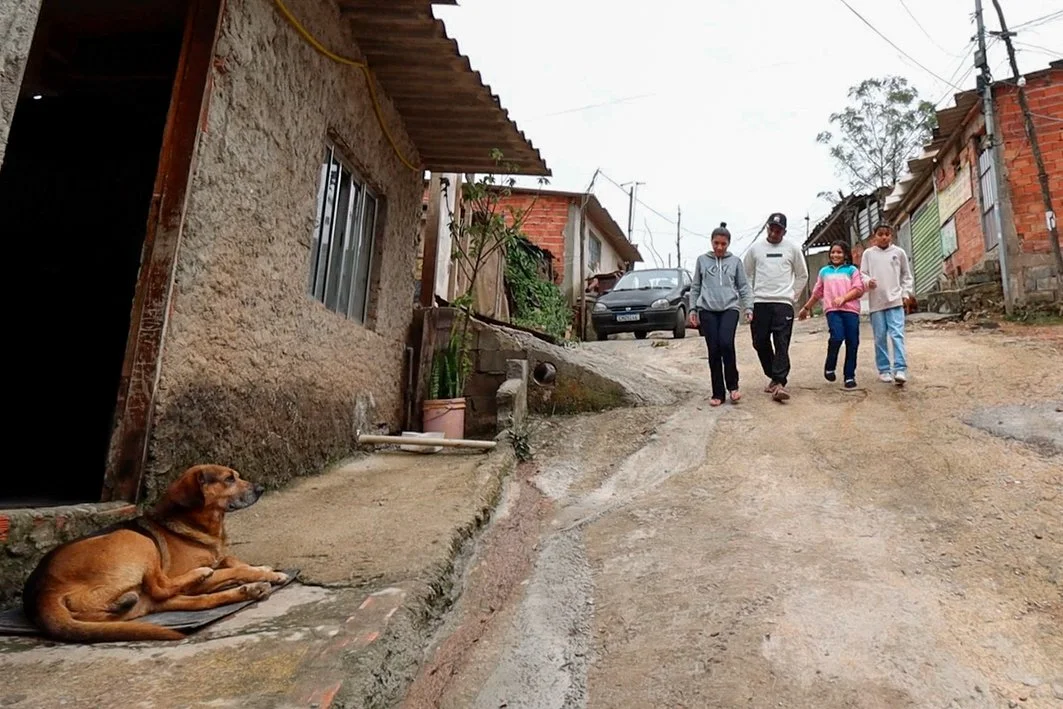
The situation is even more serious when the location is a former garbage dump, as is the case with Vila da Paz, in São Bernardo do Campo. Between 1972 and 2001, the 400,000 m² area received waste, chemicals and all kinds of discarded material. This is where siblings Davi Almeida (11) and Laís Almeida (10) live with their parents, Angela (29) and Felipe (32).
On top of poverty and the absence of public authorities, violence is a constant threat to everyone, especially children. In this context, the work of Rede Cultural Beija-Flor (RCBF) in these communities is an oasis of safety, learning and hope for a better future for children like Davi, Laís and so many others.
“When they are at Beija-Flor, I have no worries”
“When they are at Beija-Flor, I have no worries,” says their mother, Angela. “We live in a community and there is nothing for them to do here besides school. So, when they are at Beija-Flor, I am at peace because they are not on the streets in danger from drugs and people who, unfortunately, do bad things to children.”
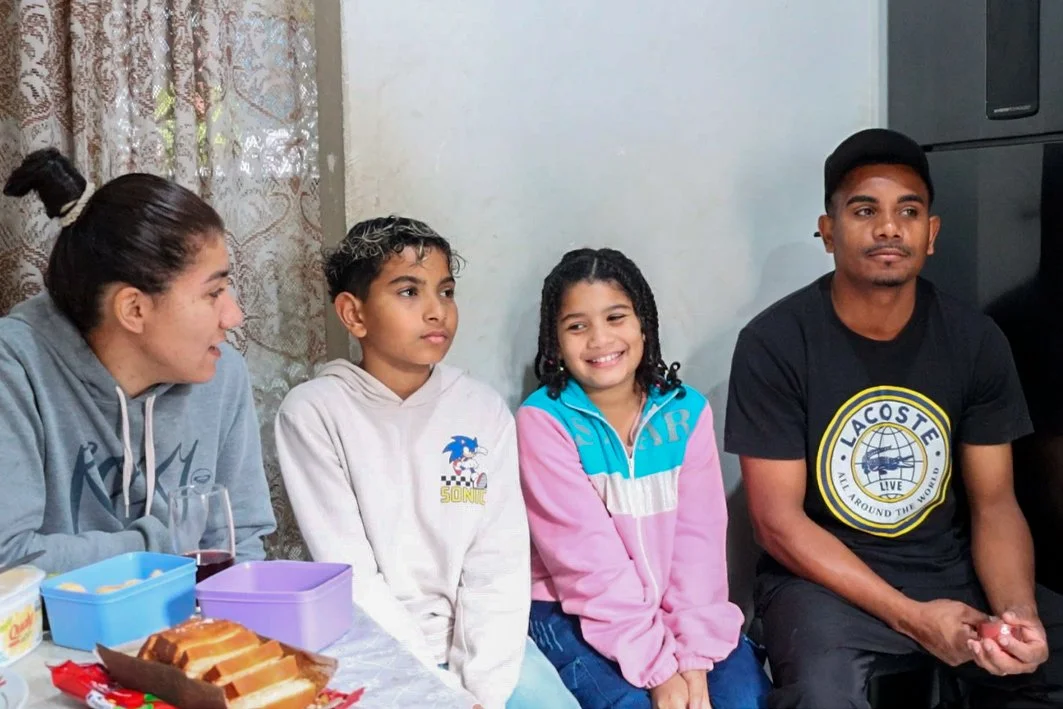
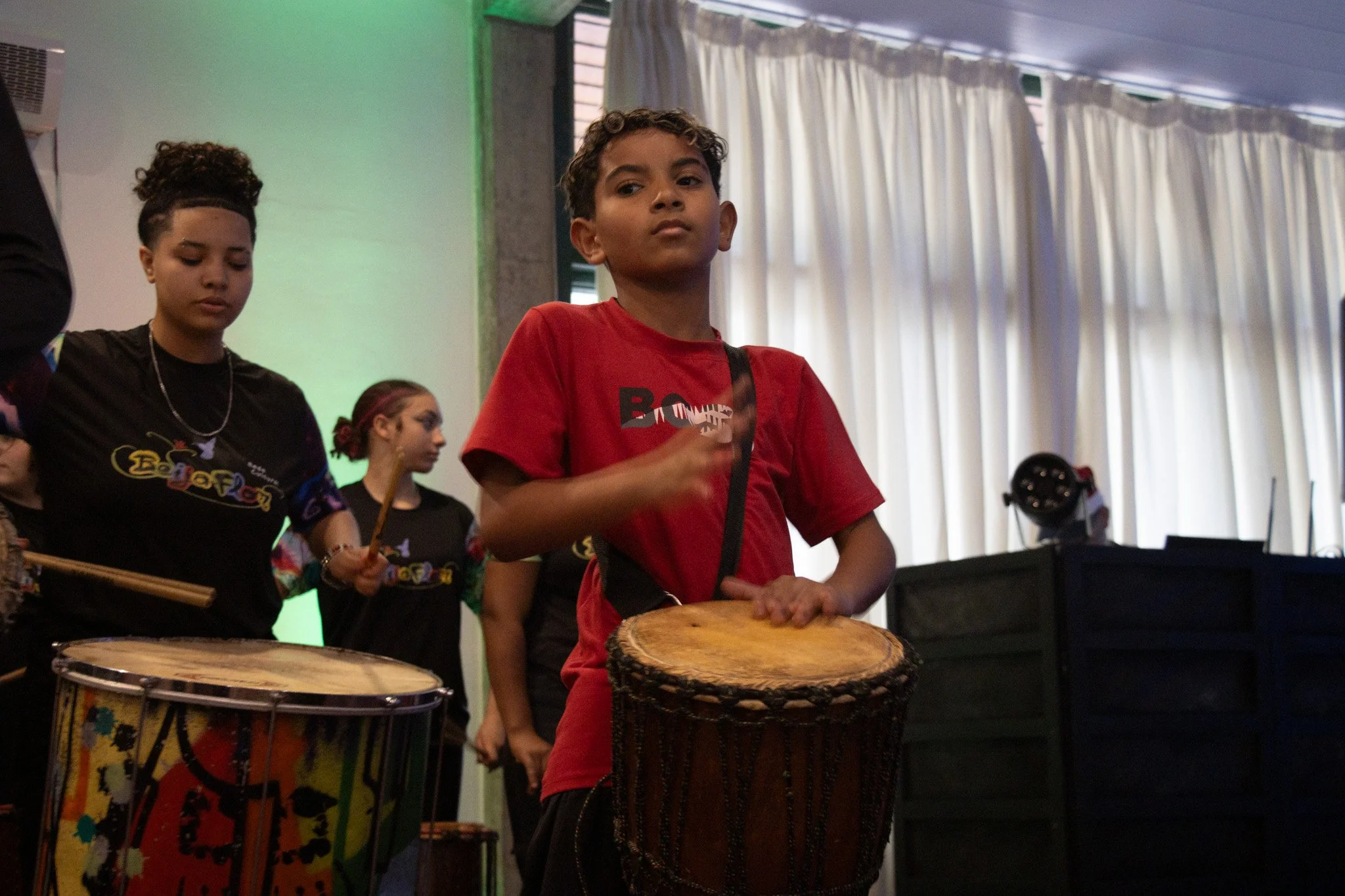
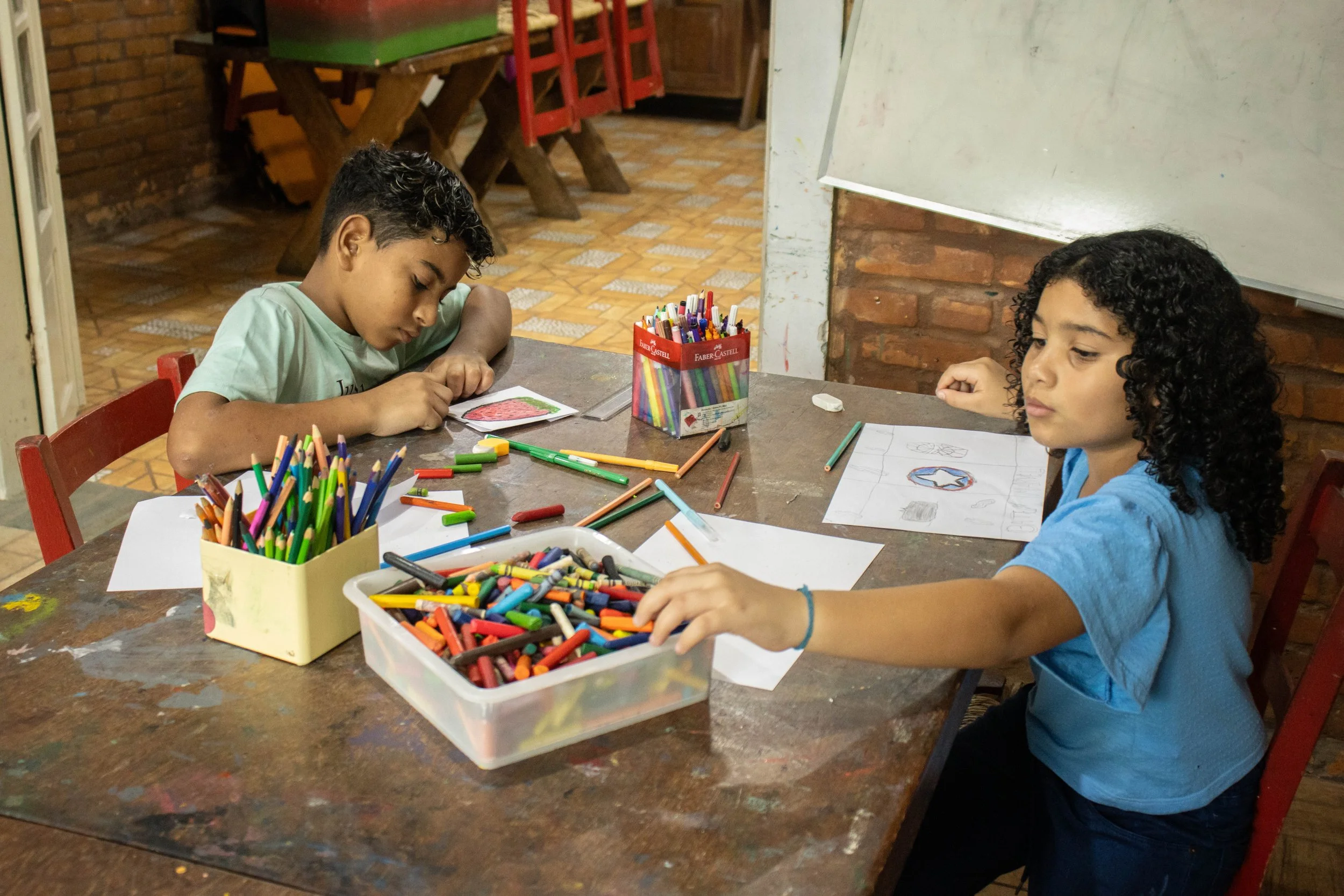
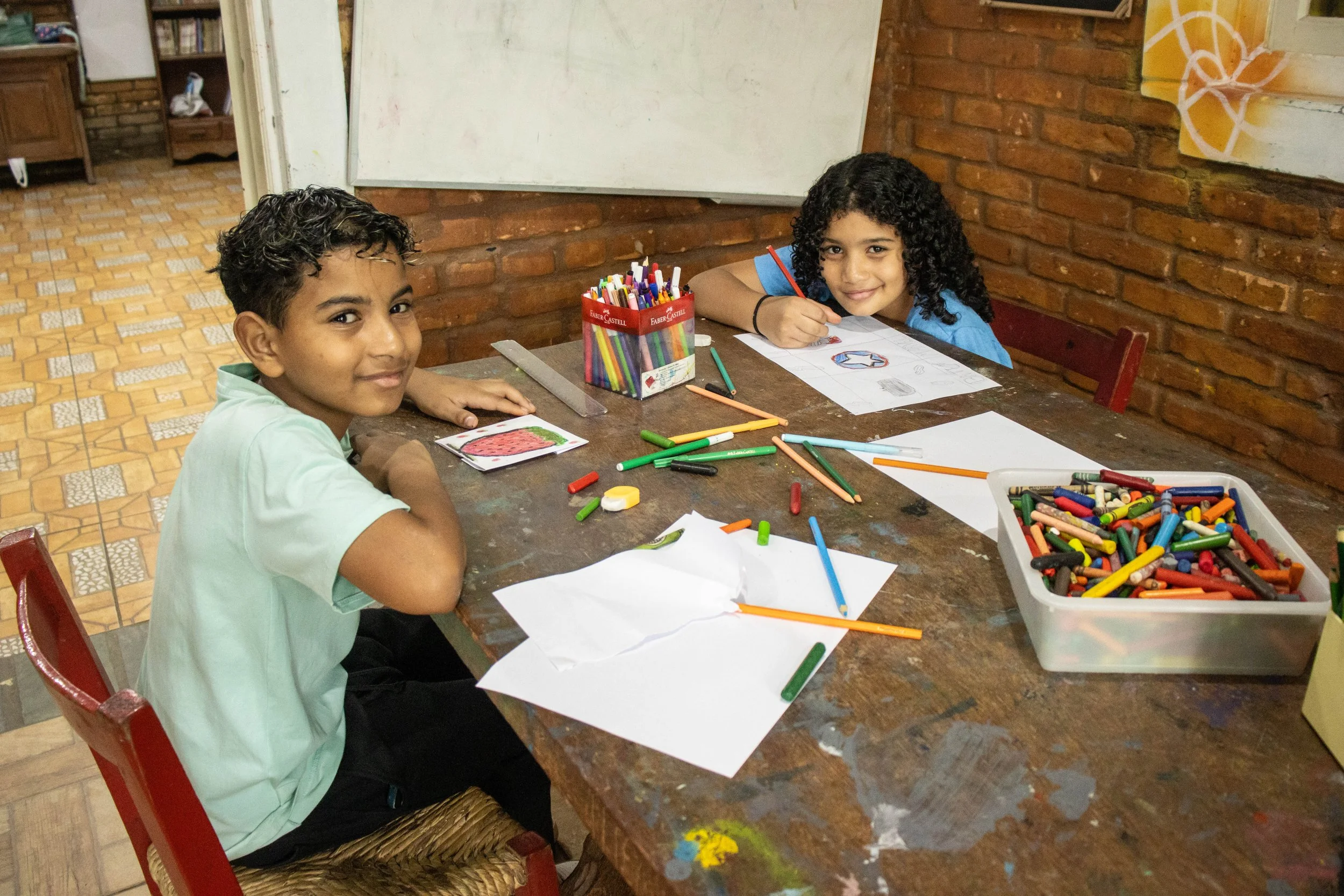
The siblings have been attending Beija-Flor for four years. Davi has done breaking, cooking, and visual arts, and is currently part of the advanced percussion class. Laís has done ballet, cooking, visual arts and capoeira, and in 2026 she started percussion.
“In capoeira, I like doing handstands, falling into the bridge and entering the circle”
“In the percussion workshop, what I like most is playing the djembe and rehearsing,” says young percussionist Davi. Laís, who was in the capoeira workshop in 2025, also shares what she likes most. “In capoeira, I like doing handstands, falling into the bridge and entering the circle,” explains Laís, describing typical capoeira movements.
“I like Beija-Flor because there are lots of games, workshops, lots of plants and space for us to let loose,” says her older brother. Laís also cites the open areas as one of her favorite things about Beija-Flor. “I like it here because there’s plenty of space.”
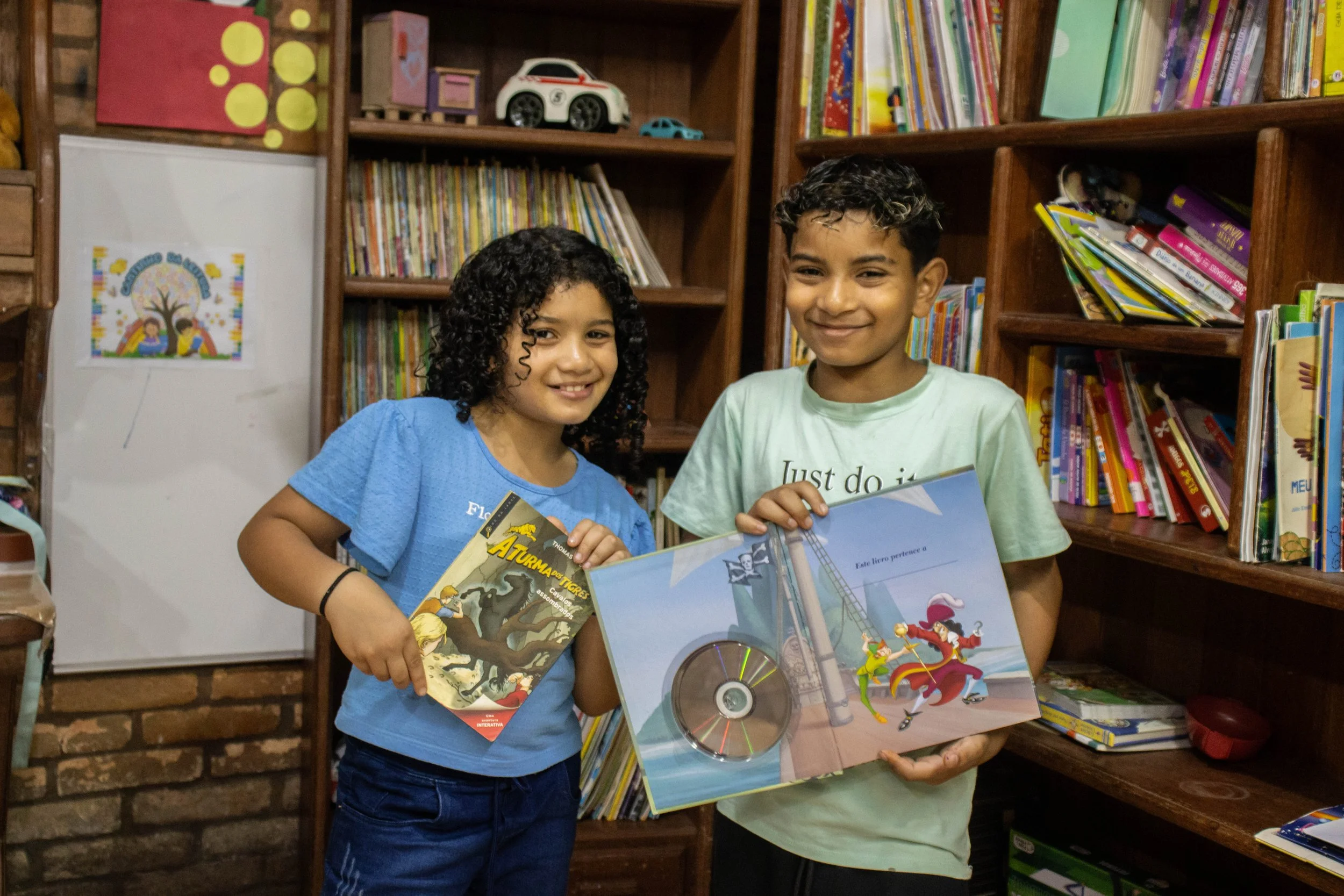
In addition to being a safe haven, the work of RCBF also has a positive impact on children’s development.
“Davi has changed a lot. His speech and behavior have changed. He is much better behaved and more patient,” says Felipe, the children’s father.
“Laís is a girl who gives her all, she’s up for anything and has always been very lively. Her communication and organization skills have improved. Teamwork has improved. Today, they do all of this much better, thanks to the help of Beija-Flor,” adds Angela.
The changes noticed by the Beija-Flor educators and, above all, by the family show how much this work, carried out with dedication and love, makes a difference to these children, both now and in the future.
“Beija-Flor has been a blessing for them and for other children as well. May it continue to grow and help children in the communities,” says Felipe.
Related stories
STORIES FROM OUR PRIORITY AREAS
All · Children & youth · Music & culture · Health & research · Climate action · Social impact investment